Museo Stibbert
Fifty thousand objects, fifty-seven rooms and a hall of fourteen armoured knights on horseback, in a private house on a hill north of the centre that most people who have been to Florence four times have never heard of.
Frederick Stibbert, 1838 to 1906 • 57 rooms • an English park with an Egyptian temple
Find the Stibbert Get Early AccessWhy Visit
Florence is a city where you queue. The Stibbert is the opposite: a private house on a hill in Montughi, twenty minutes north of the Duomo, where a nineteenth-century collector spent an inherited fortune on armour and then arranged it as theatre. The centrepiece is the Cavalcata, a hall in which fourteen knights in full sixteenth-century plate ride out on fourteen armoured horses, with fourteen foot soldiers walking beside them. There is no rope, no glass and usually no crowd. The park outside is free, and it has a lake with an Egyptian temple on the far bank.
A Little History
Frederick Stibbert was born in Florence in 1838 to an English officer and an Italian mother, educated at Cambridge, and came into a fortune from his grandfather's service with the East India Company. He bought two adjoining villas at Montughi, joined them together and kept building until the house had fifty-seven rooms and something close to fifty thousand objects: European plate armour, Islamic arms brought back from his travels in the Near East, roughly a hundred complete suits of Japanese armour, textiles, furniture and paintings. Giuseppe Poggi, the architect who laid out Piazzale Michelangelo, added rooms to the villa and reworked the park. When Stibbert died in 1906 he left the whole thing to the city of Florence on the condition that it stay as he had arranged it, which is why it still feels like a house rather than a museum.
Did You Know?
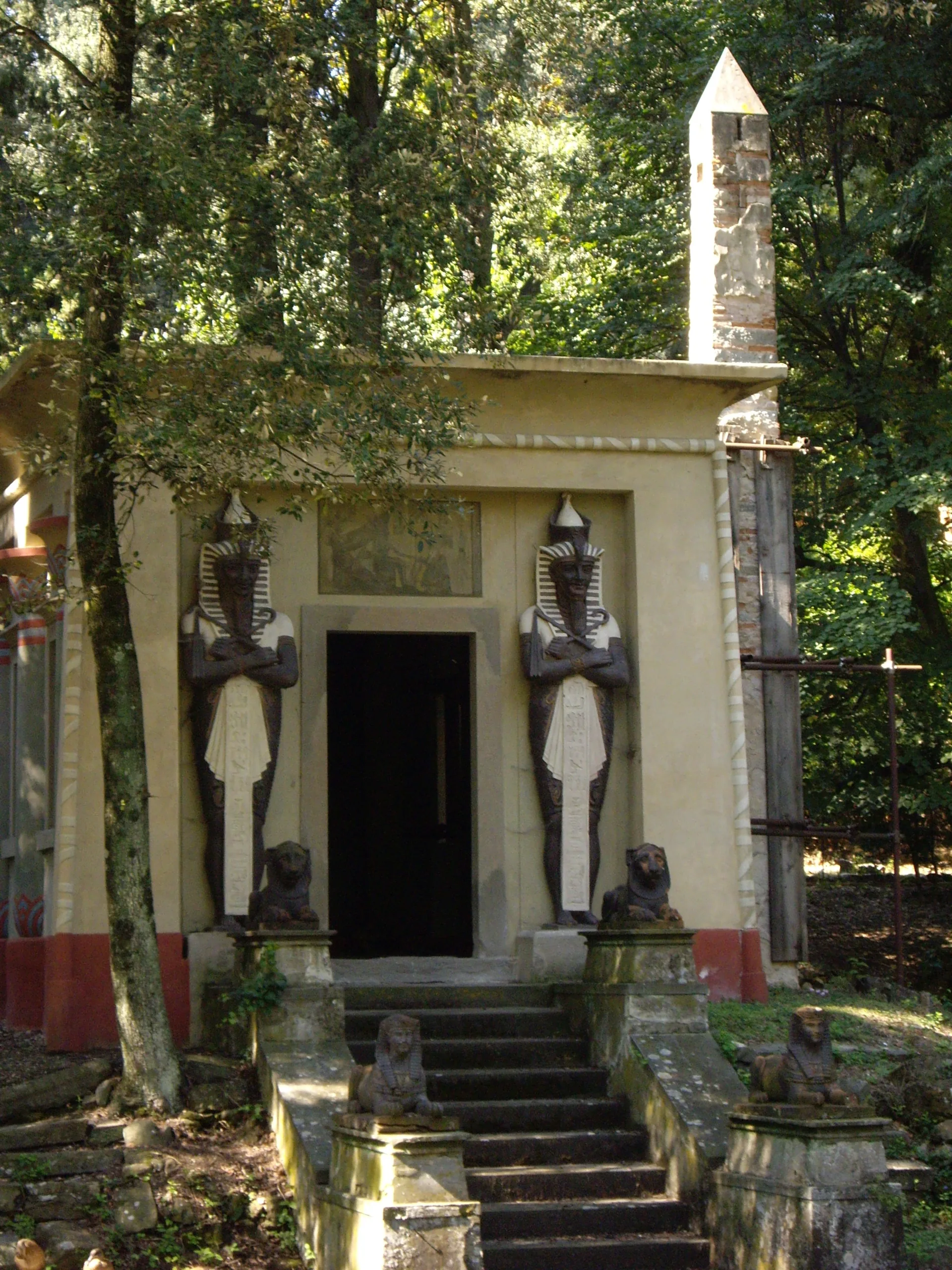
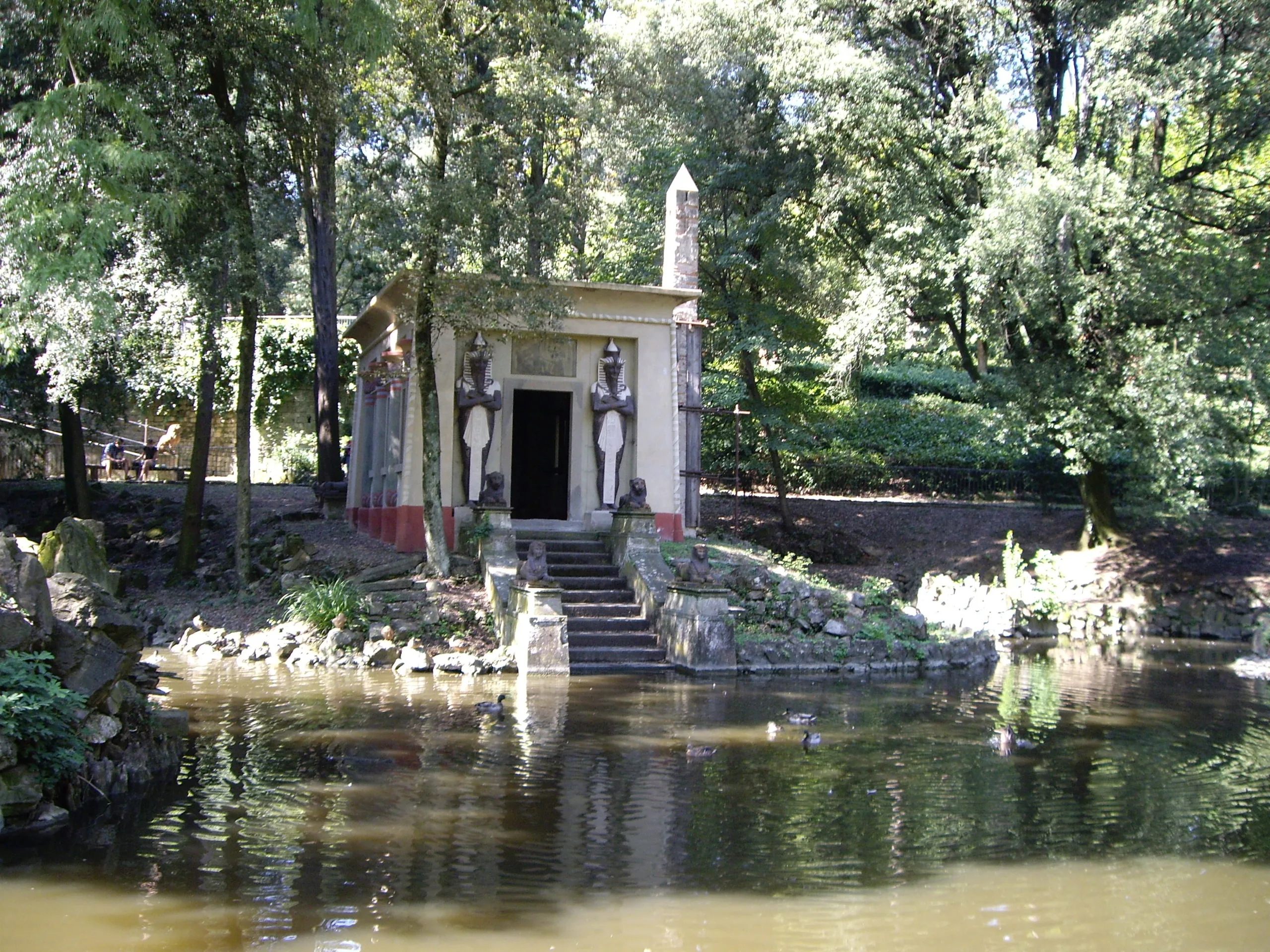
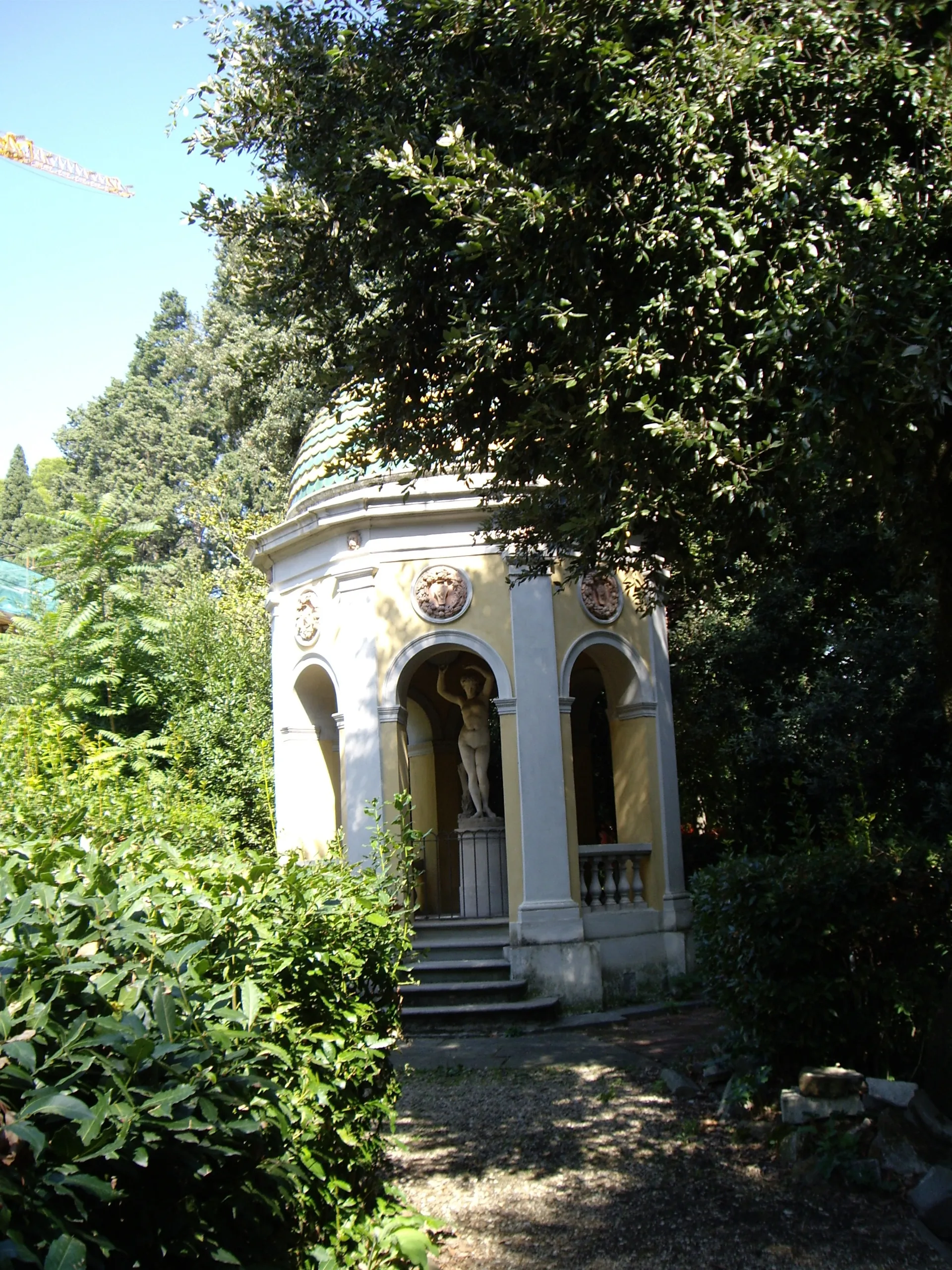
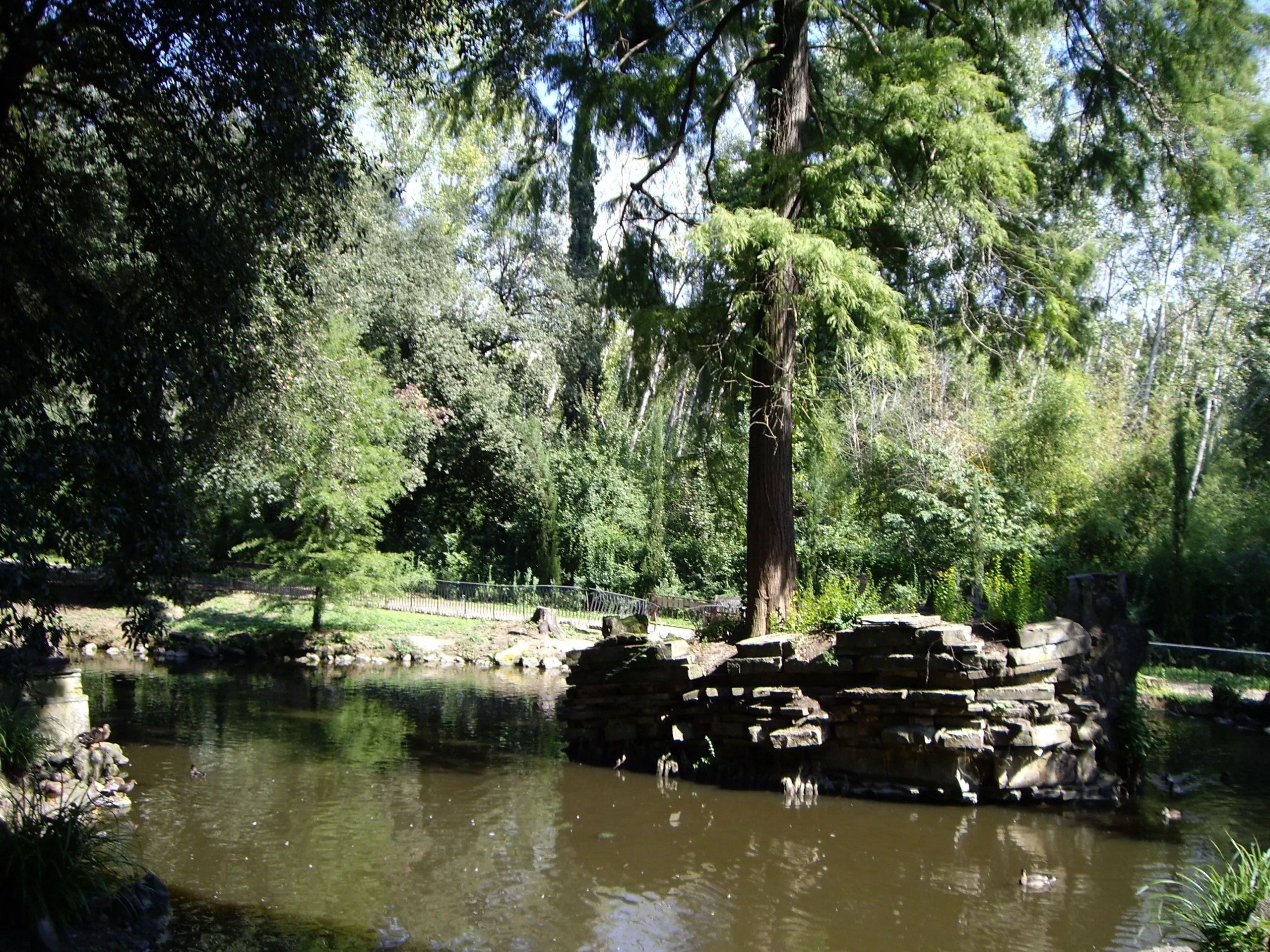
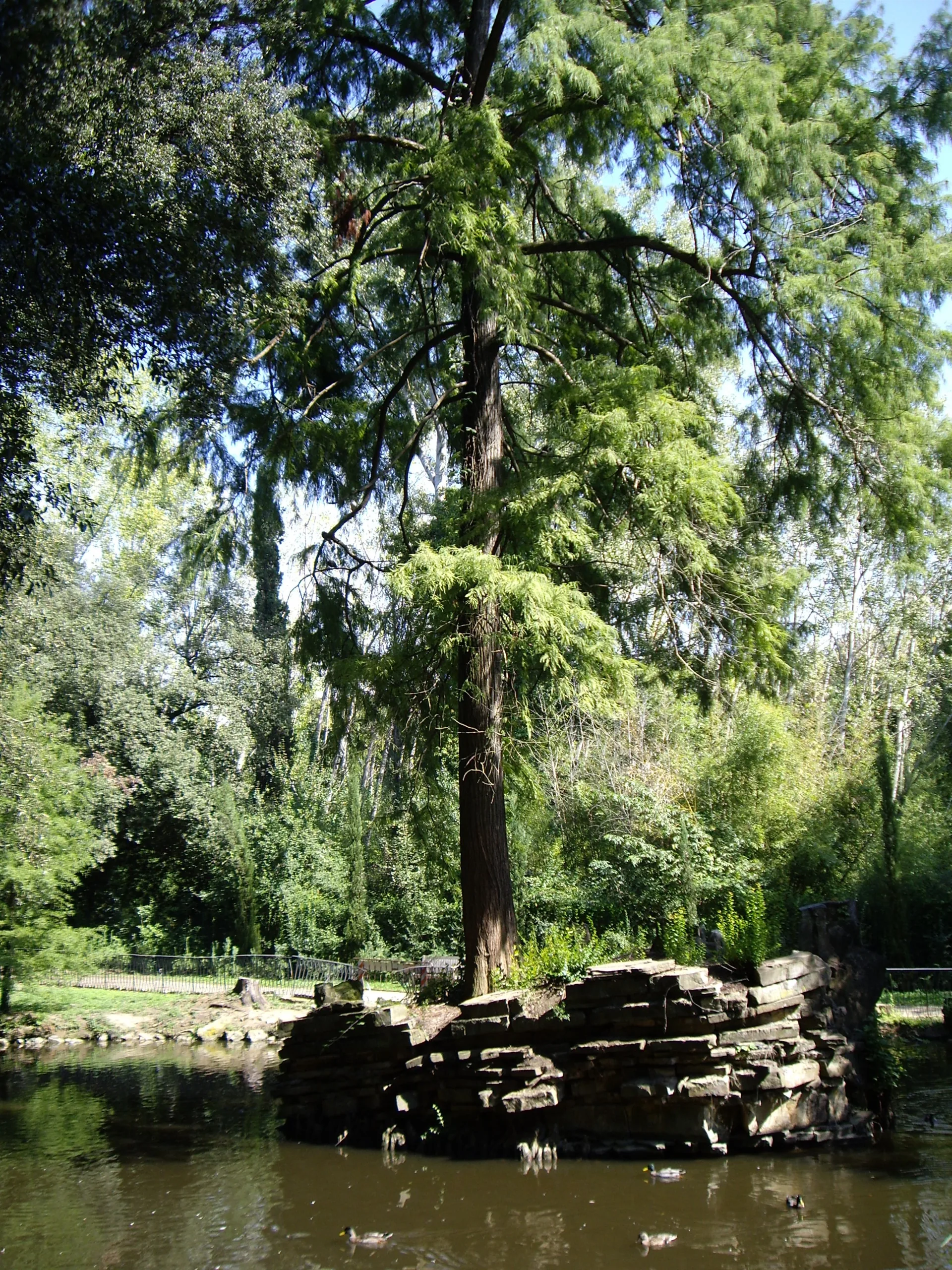
The Japanese collection is one of the largest outside Japan, and Stibbert assembled most of it without ever going there. The park is a full English landscape garden with a lake, artificial rockwork, a small domed temple among the trees and an Egyptian temple guarded by carved telamons and sphinxes, which Stibbert had built himself. The park is free and open every day, so you can walk the grounds even when the museum is shut.
A Villa Wearing Its Collection
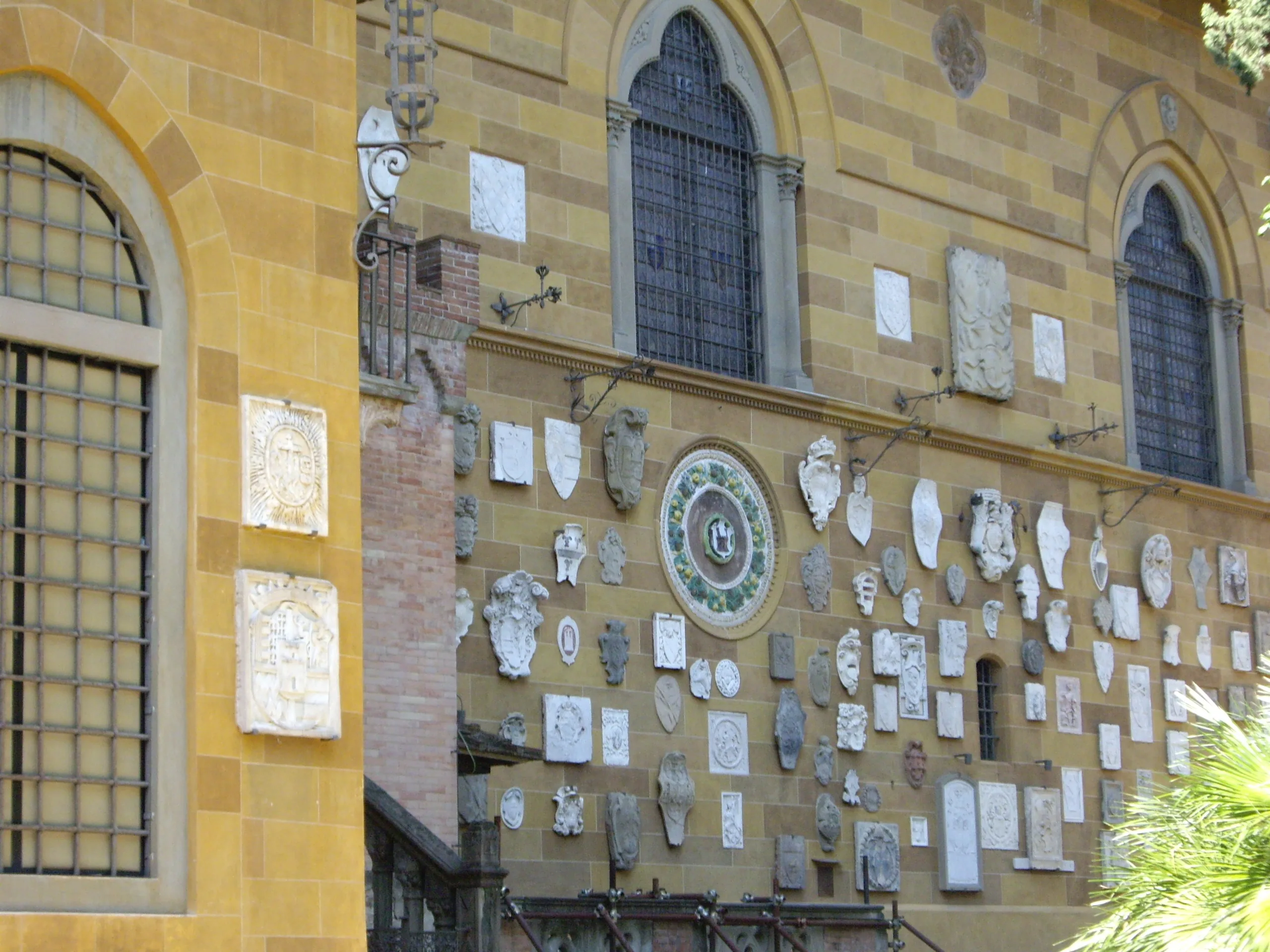
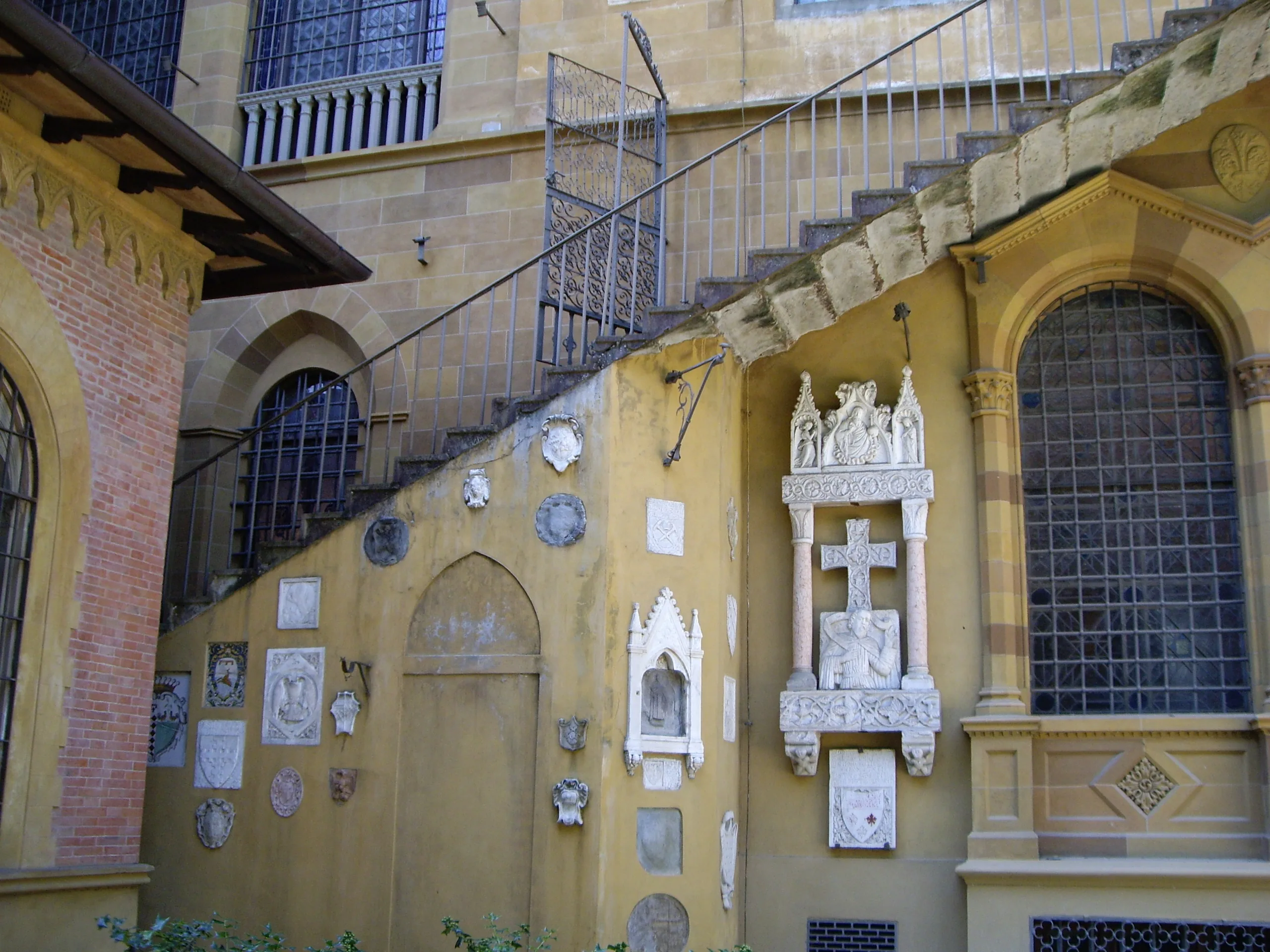
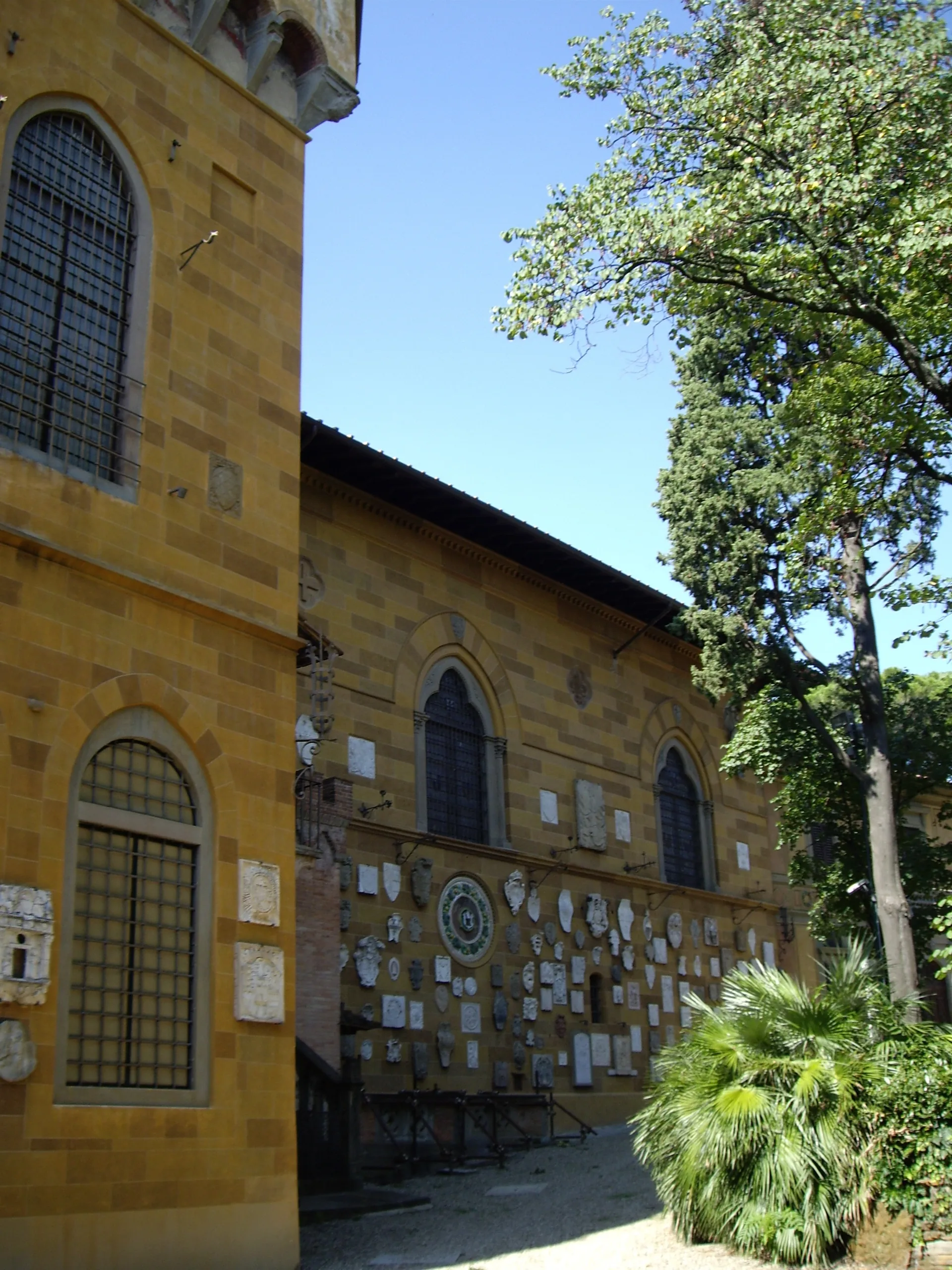
Stibbert did not stop collecting at the front door. The walls of the villa are hung with marble roundels, carved plaques, coats of arms and fragments of older buildings, set into the render like specimens.
The House He Arranged
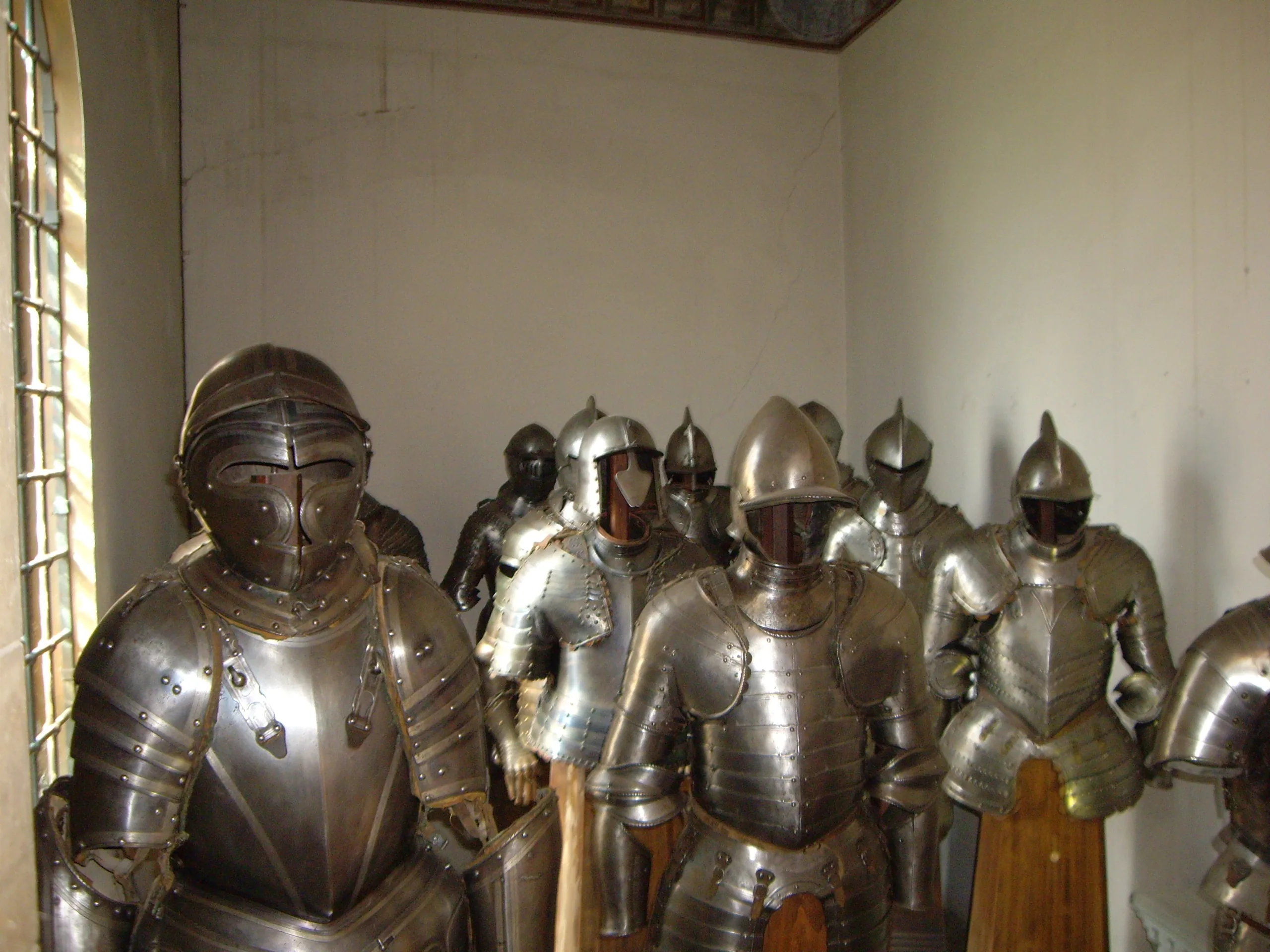
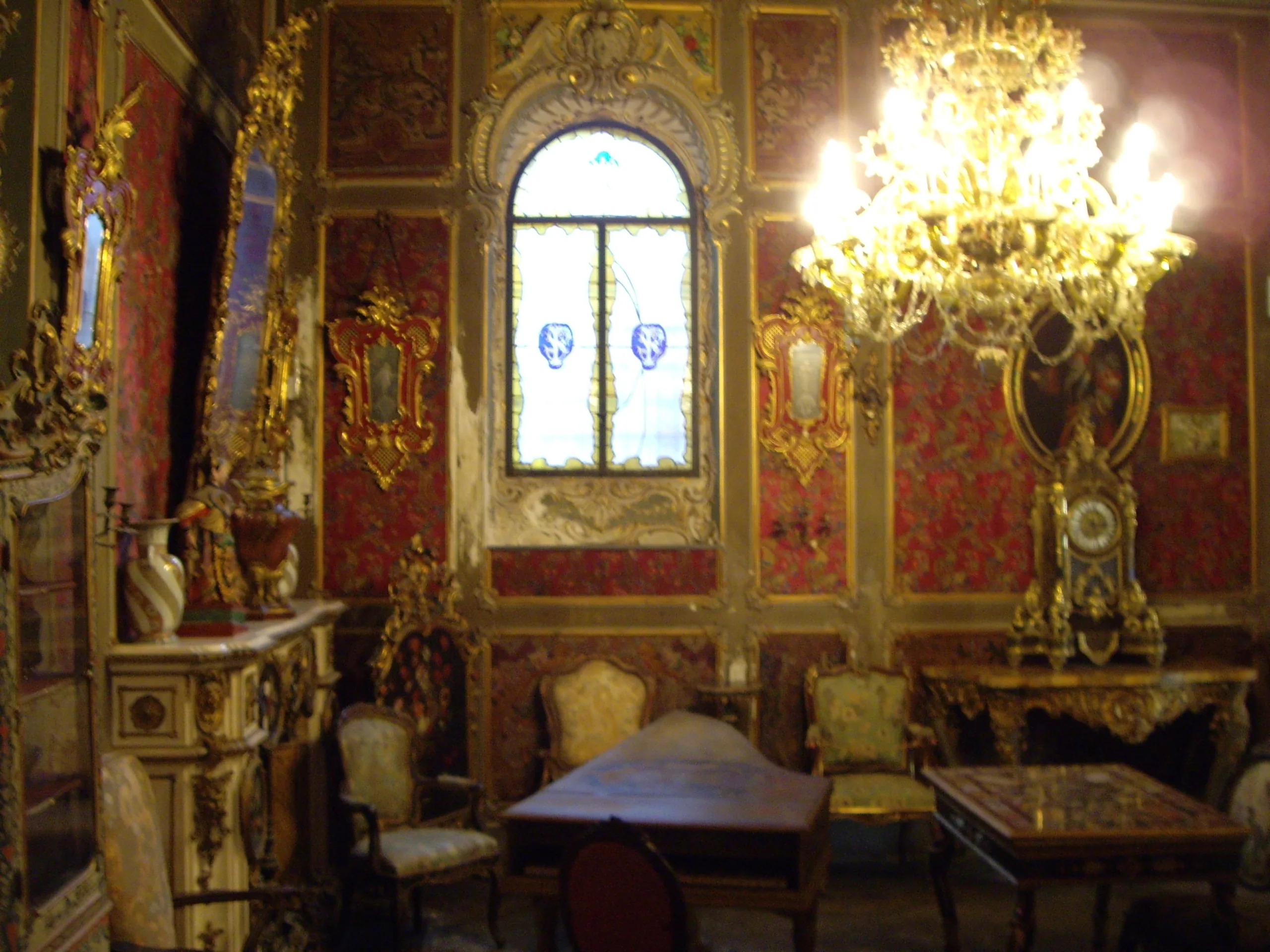
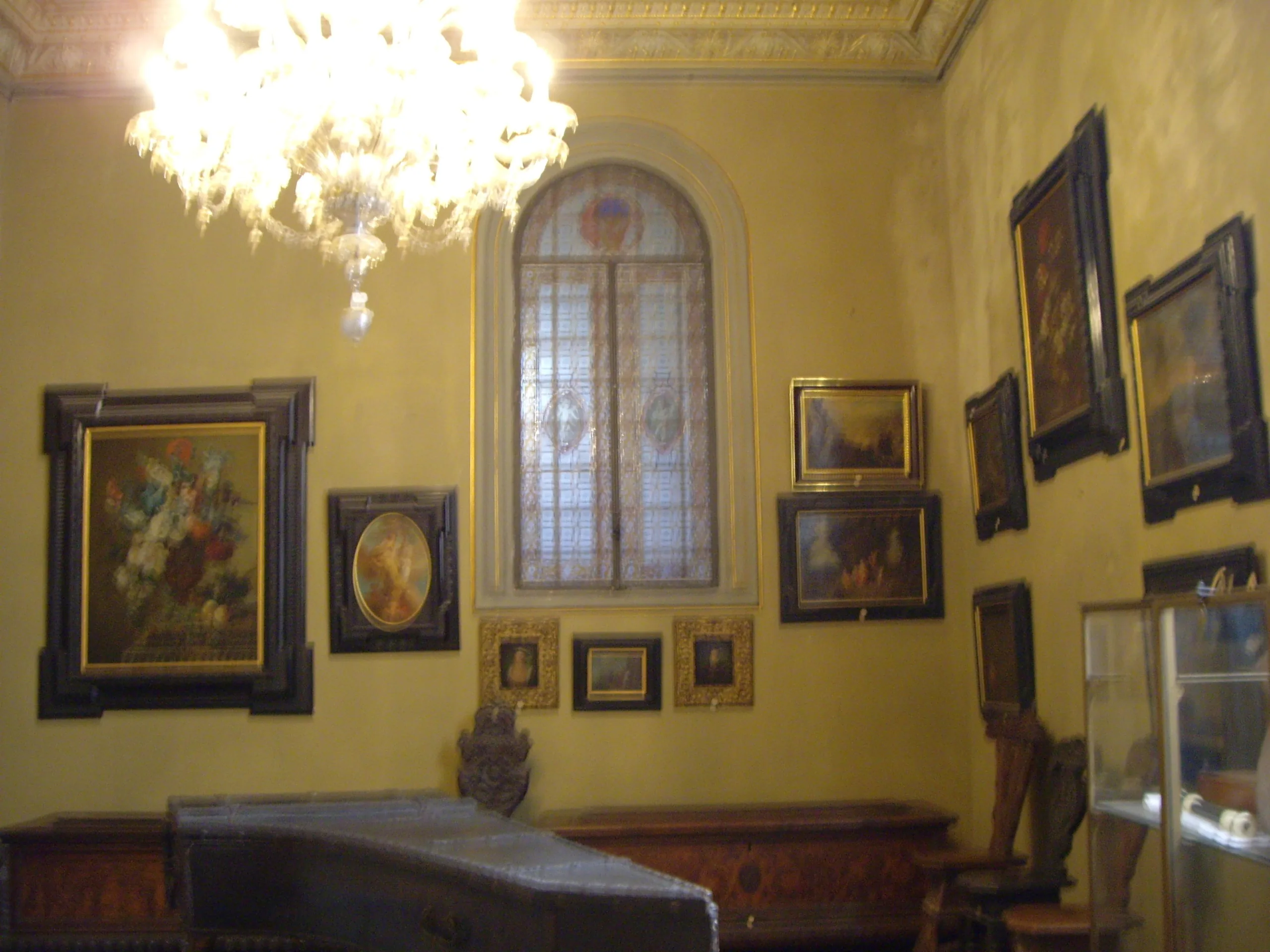
The condition of the bequest was that nothing be rearranged, so the rooms are still his: armour standing in ranks, pictures hung to the ceiling, and a crimson and gilt salon that looks like a stage set.
An English Garden With an Egyptian Temple
Giuseppe Poggi, who gave Florence the Piazzale, reworked these grounds into an English landscape park. There is a lake, artificial rockwork, a small domed temple among the trees, and an Egyptian temple with telamons and sphinxes on the far bank.
Live Prices & Availability
Frequently Asked Questions
Continue Your Italian Journey
Explore more destinations in our Italian travel network
More journeys: 🌺 rHawaii ✈️ rVacation 📷 rPhotography 🍽️ rDining
Some links on this site are affiliate links. If you book through them, we may earn a commission at no additional cost to you. We only recommend tours and stays we would book ourselves.