Museo dell'Opera del Duomo
Almost everything you look at outside on the Duomo complex is a copy. The originals came in out of the weather and they are all here, four hundred metres behind the apse: Ghiberti's doors, Michelangelo's last Pieta, Donatello's Magdalene, and the tackle that raised the dome.
Piazza del Duomo 9 • included in the Duomo complex pass • allow 90 minutes
Plan the Museum Get Early AccessWhy Visit
The Duomo complex is a set of buildings whose best sculpture is no longer on them. Ghiberti's bronze doors on the Baptistery are replicas. The reliefs at the base of the campanile are replicas. The prophets that stood in the campanile niches, the statues off the medieval cathedral front, both marble singing galleries taken out of the cathedral in 1688: all of it is in this one building, four hundred metres from the cathedral door and behind the apse. The museum reopened in 2015 at roughly three times its old size, in a former theatre, and it is included in the pass most visitors have already bought and then skip. It is the least crowded and the most rewarding hour on Piazza del Duomo.
A Little History
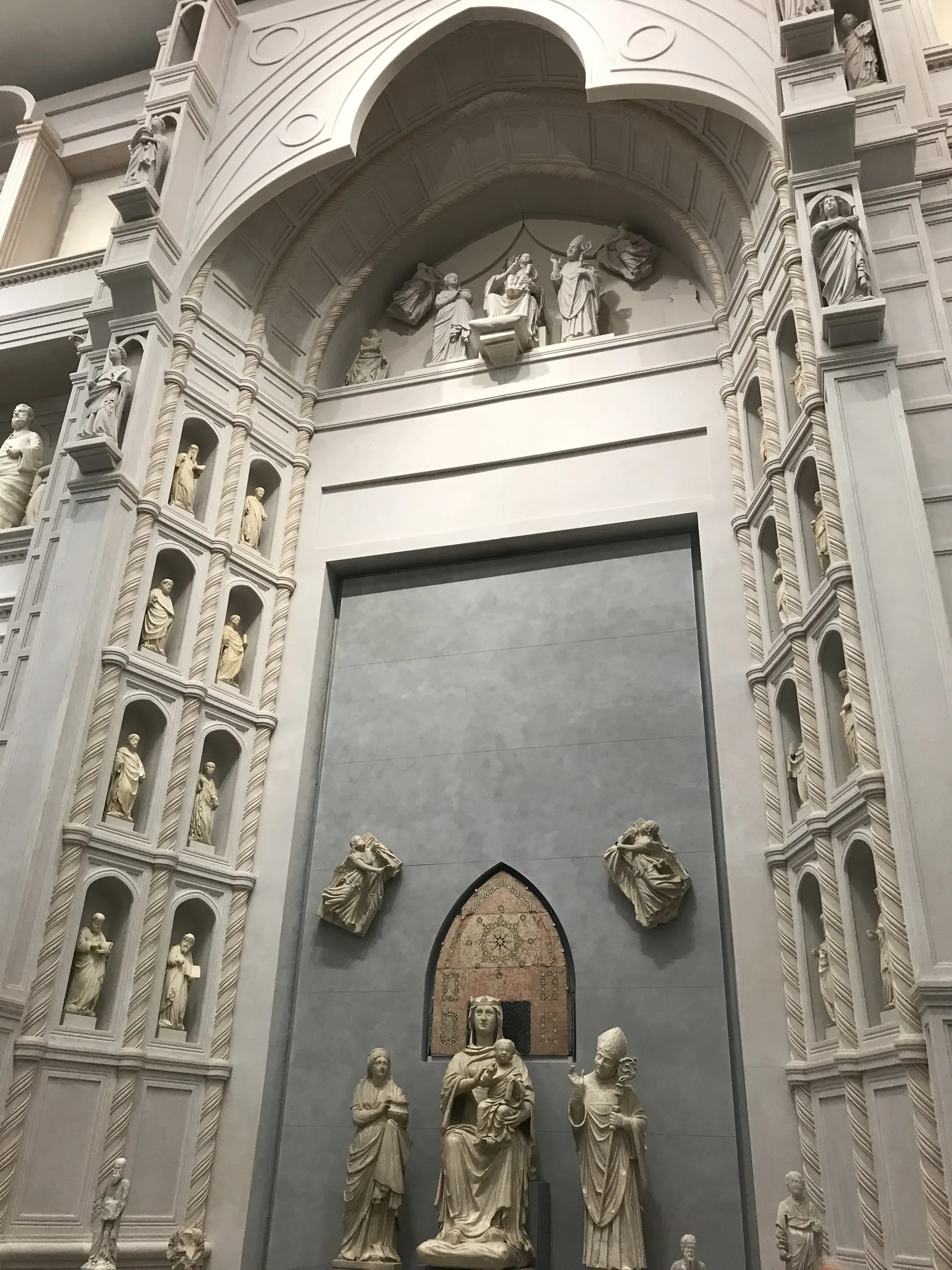
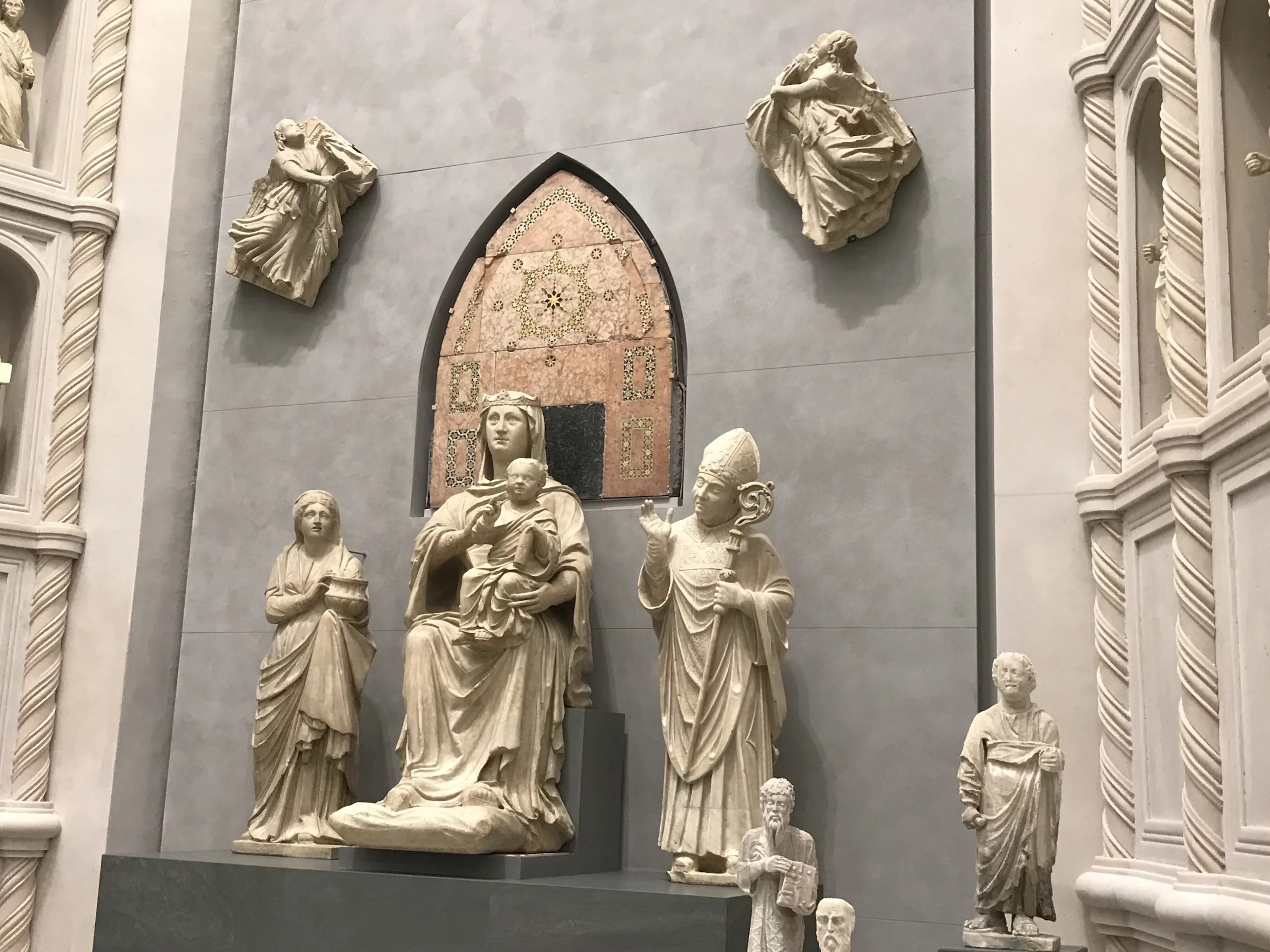
The Opera di Santa Maria del Fiore was founded in 1296 to build the cathedral and it still runs the complex today, which is why the museum is called the museum of the works, not the museum of the cathedral. It has held the Opera's own material since 1891. What changed in 2015 was the scale: the collection moved into an adjoining former theatre, and the centrepiece of the new arrangement is a full-scale reconstruction of Arnolfo di Cambio's medieval facade, the front that stood on the cathedral until it was pulled down in 1587 and never replaced until the nineteenth century. The statues are set back into it in the positions they held.
Did You Know?
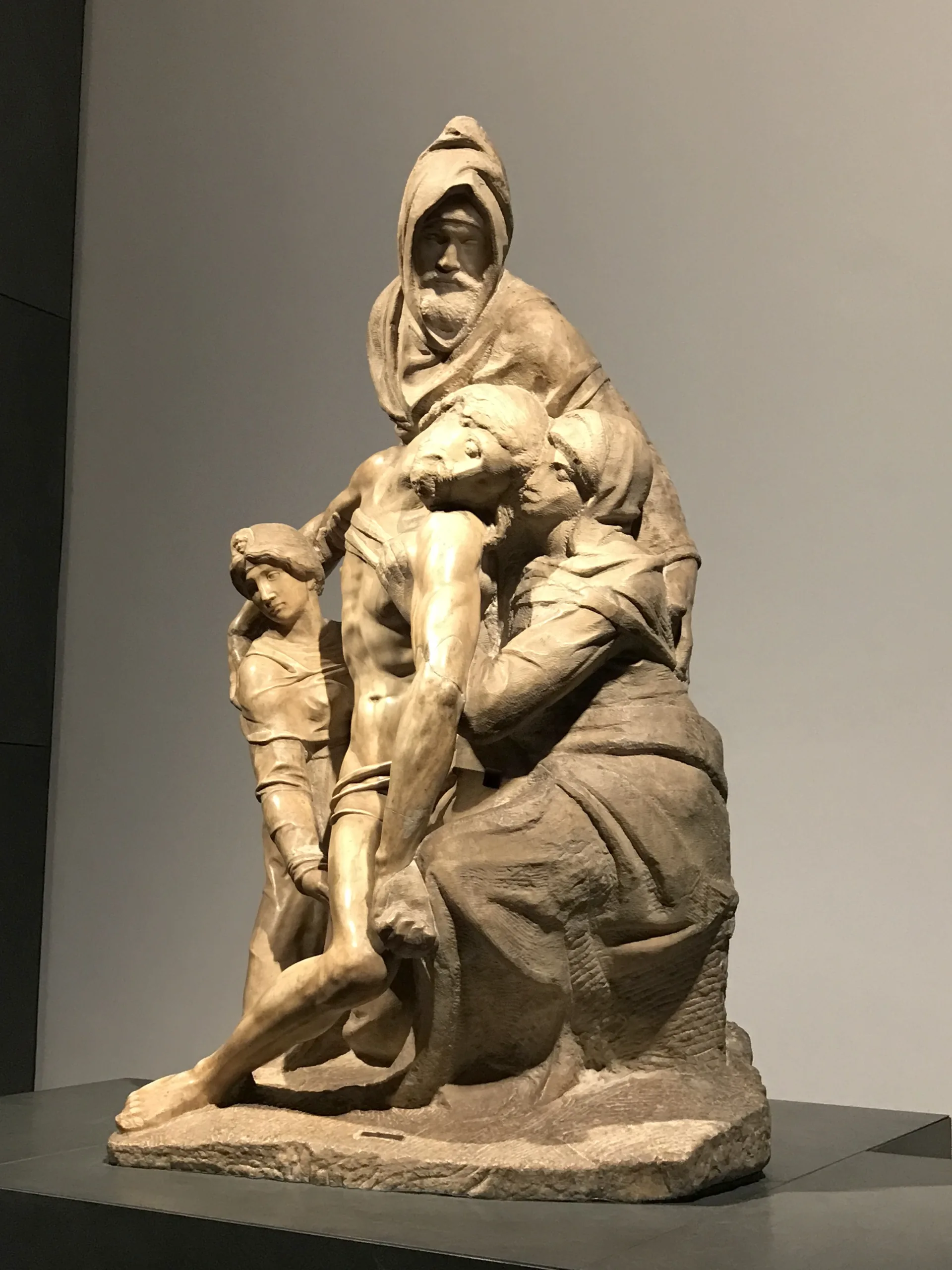
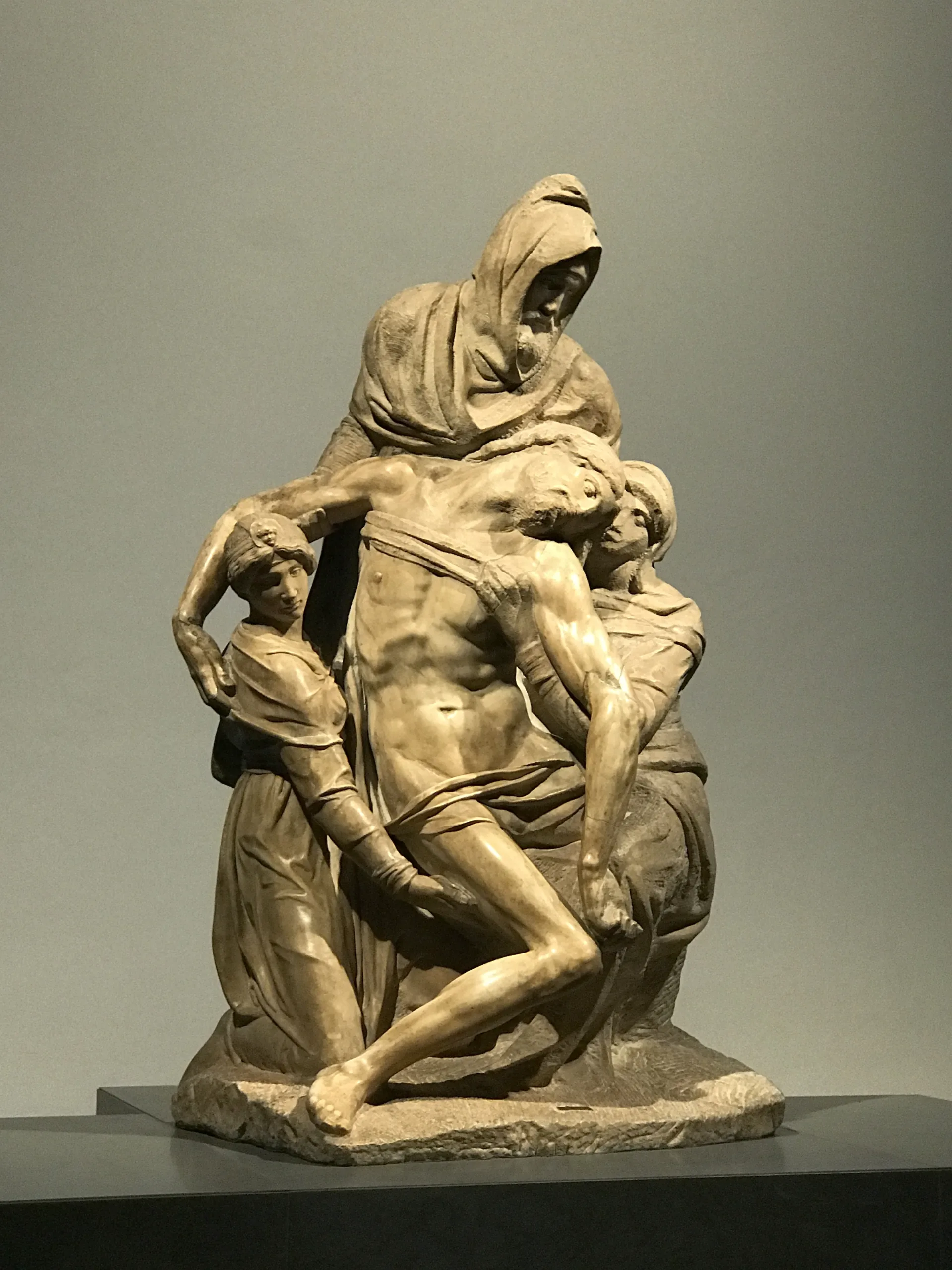
Michelangelo carved the Bandini Pieta in his seventies, intending it for his own tomb, and then attacked it himself and abandoned it unfinished. Christ's left leg is missing because he broke it off. The hooded figure holding the body up from behind is generally taken to be a self portrait. It is the one work in Florence where you can see a great sculptor lose an argument with his own marble, and the museum shows it without much ceremony, in a room you can walk right up to it in.
Ghiberti's Gates of Paradise
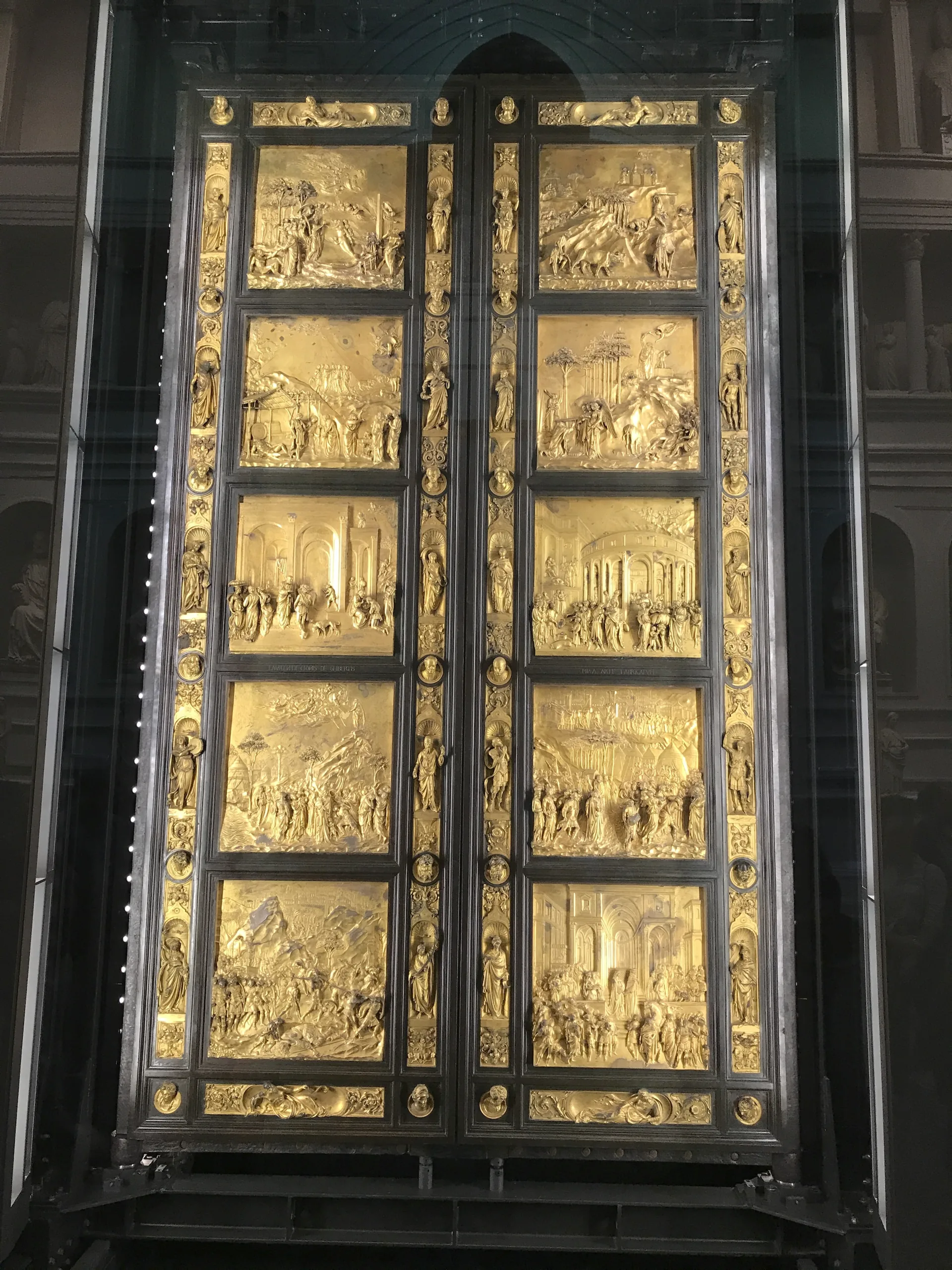
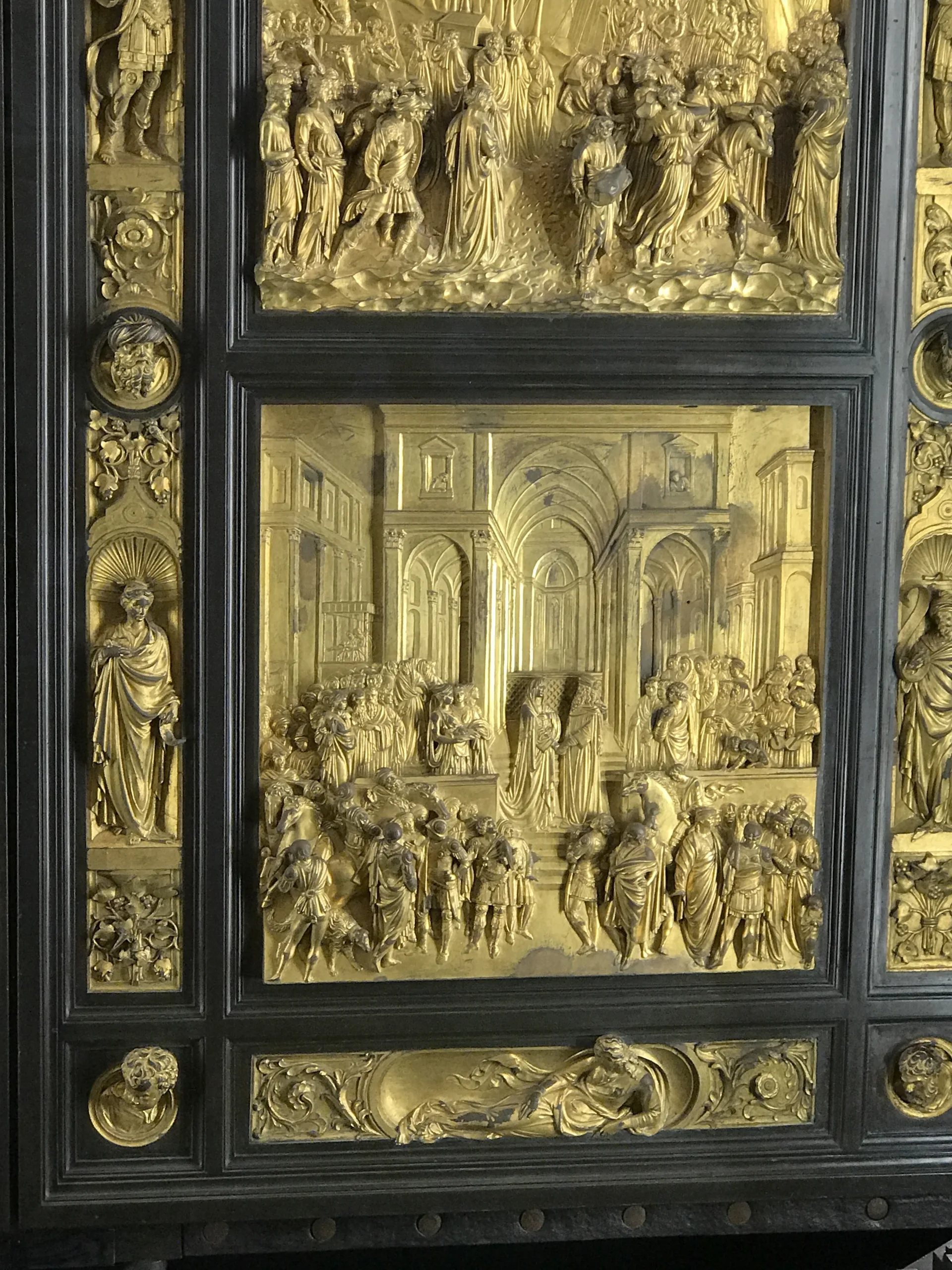
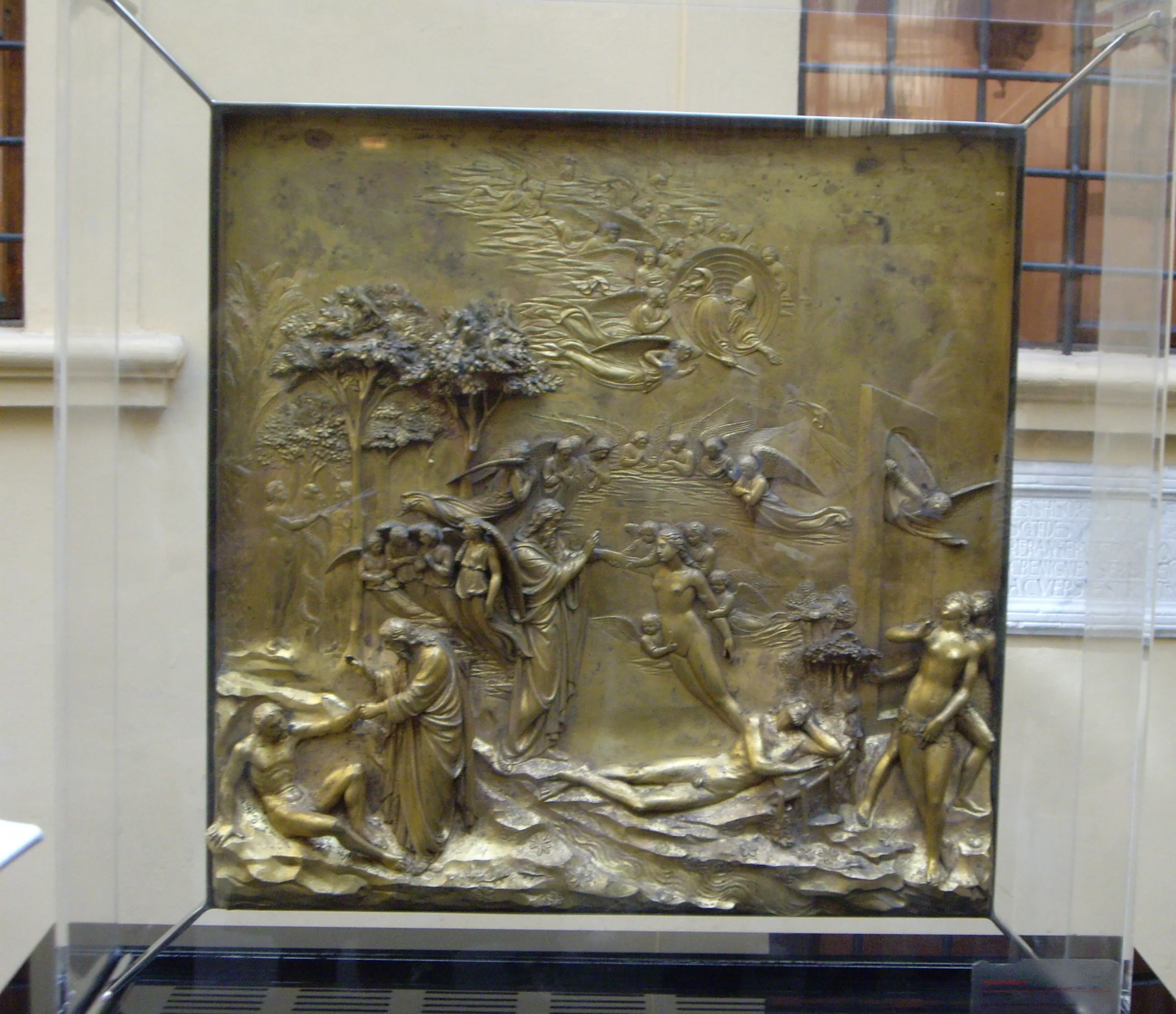
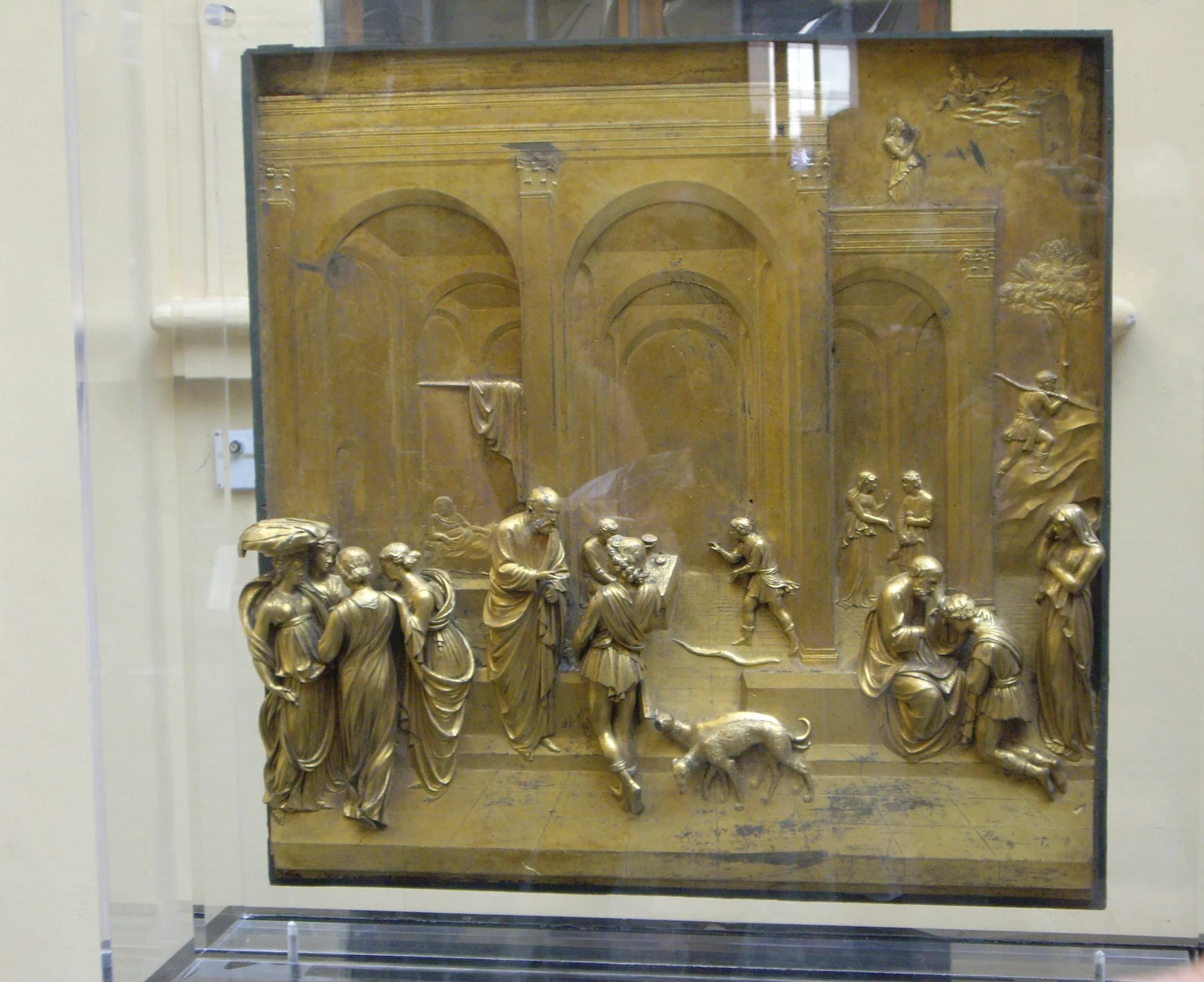
Lorenzo Ghiberti spent twenty seven years on the east doors of the Baptistery. They hung on the building until 1990. What is on the Baptistery now is a cast; the ten gilded originals are here, and this is the only place you will ever see them at arm's length.
Arnolfo's Facade, Rebuilt Indoors
Arnolfo di Cambio's medieval front stood on the cathedral, unfinished, until 1587, when it was pulled down. The museum has rebuilt it at full scale across one wall and put the surviving statues back in their places.
The Bandini Pieta
Carved for his own tomb, broken by him, abandoned, and finished off by a pupil. Four figures, one of them almost certainly him.
Donatello and Luca della Robbia
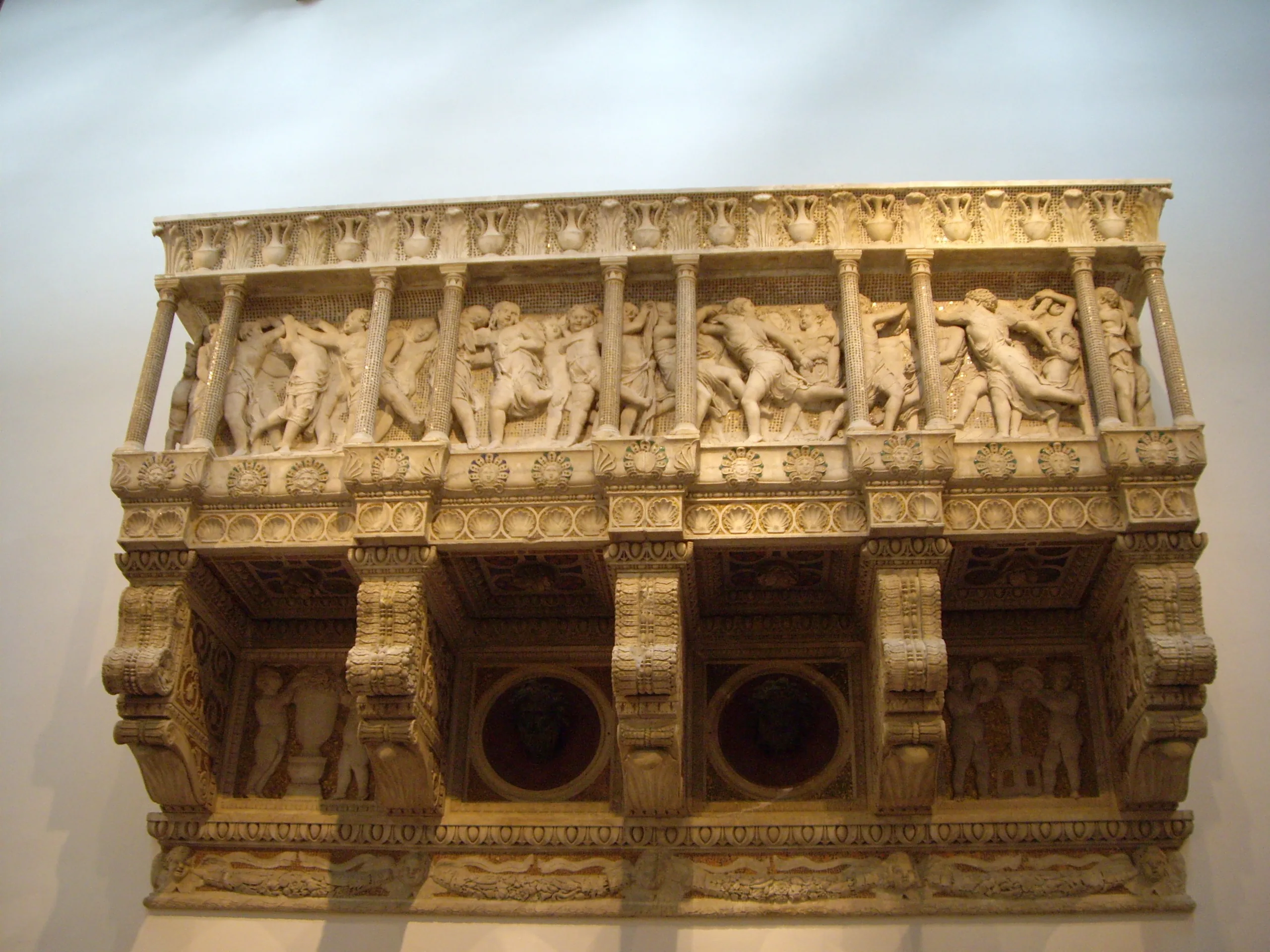
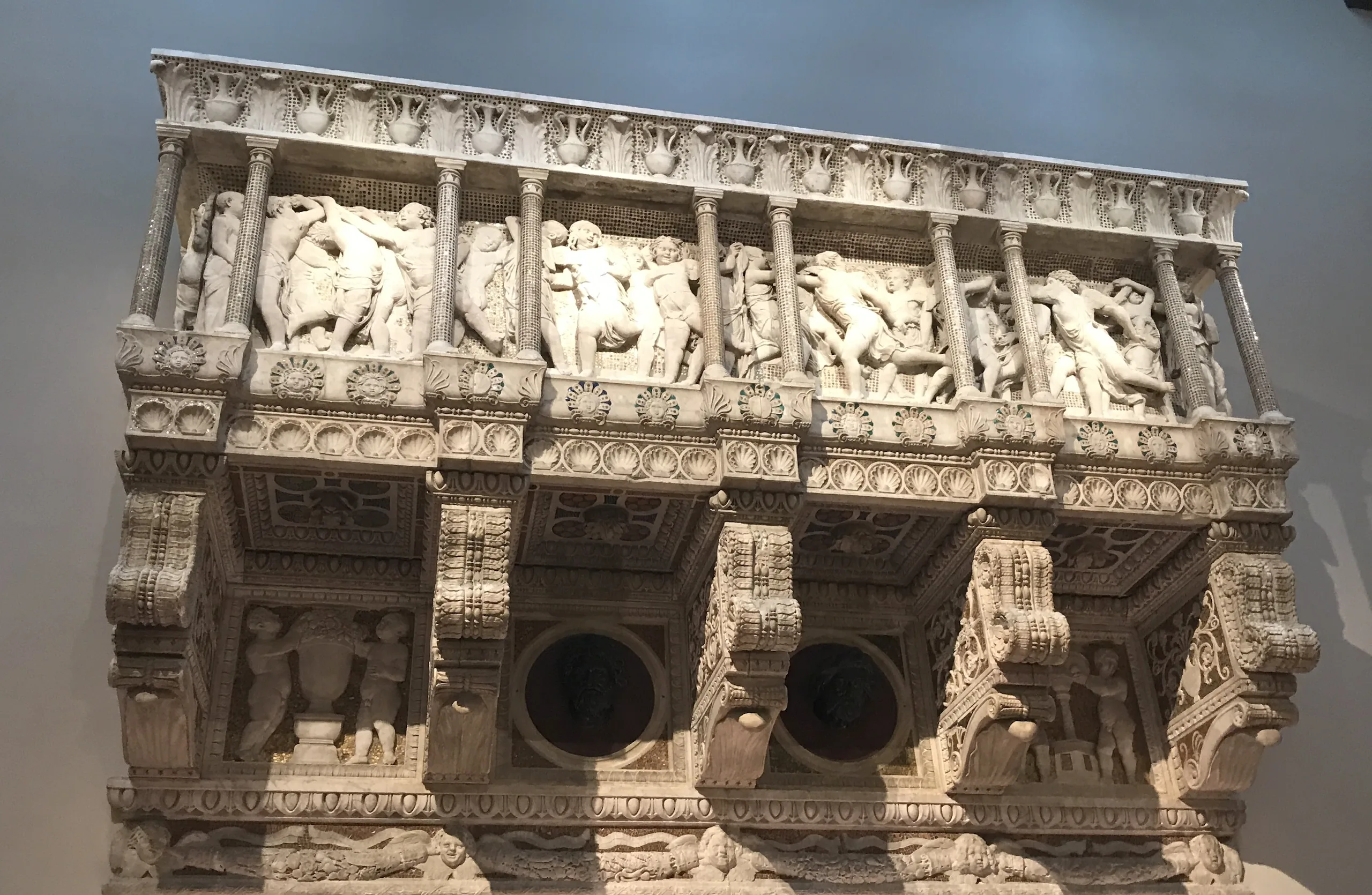
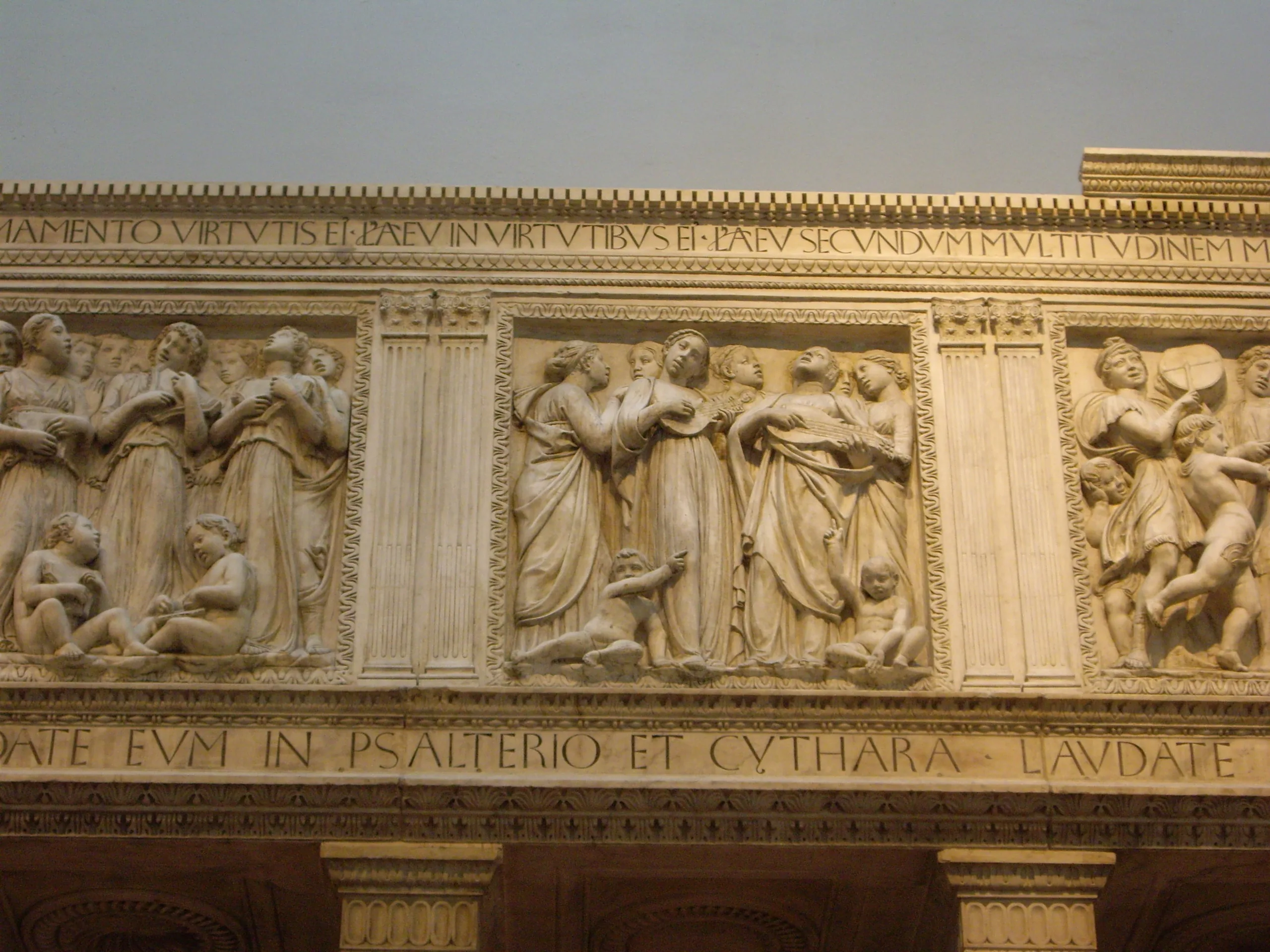
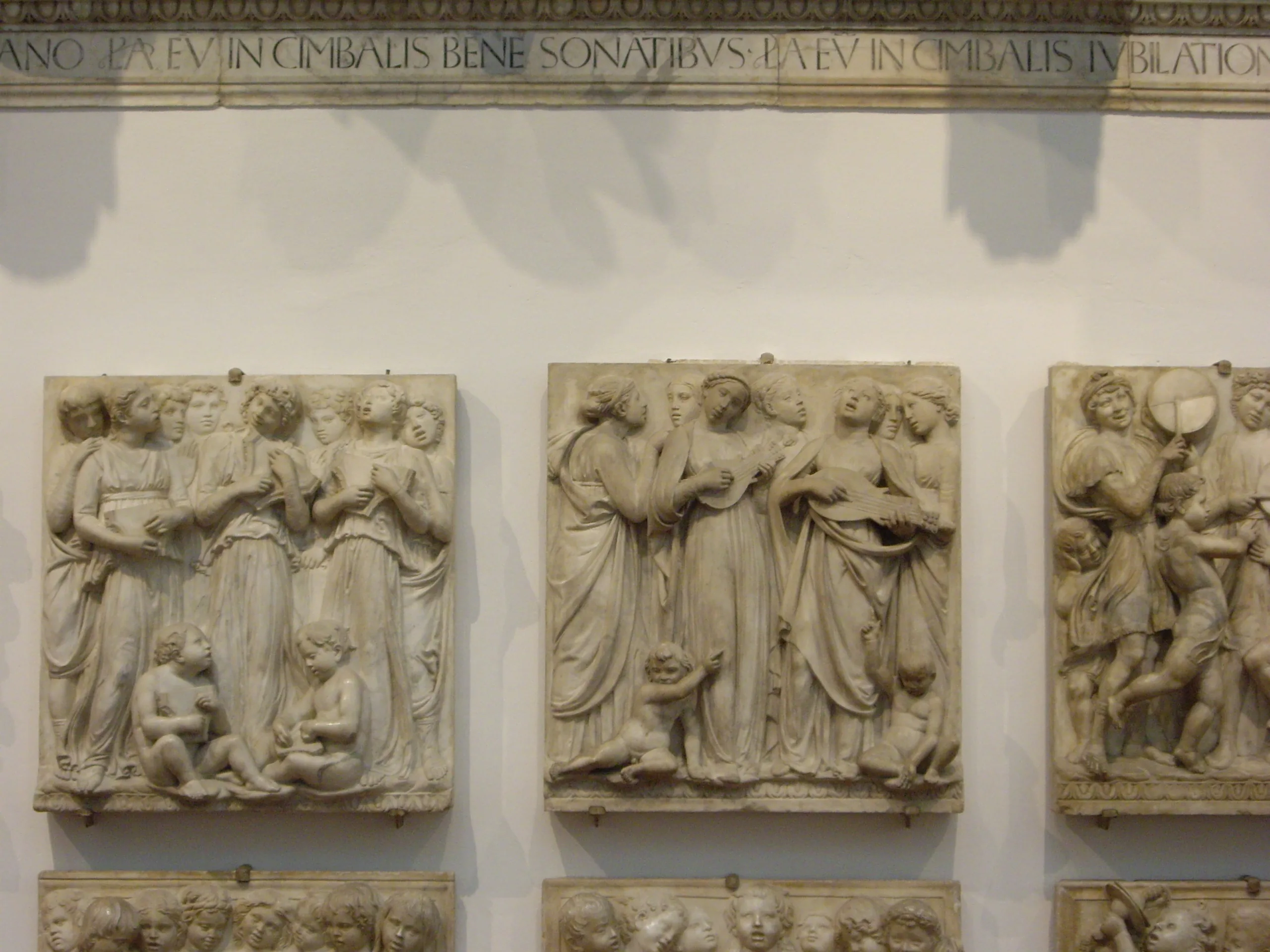
Both cantorie were built for the cathedral in the 1430s, both were taken down in 1688, and both are here facing each other. Luca's children sing and play by the book. Donatello's putti have got loose.
Donatello's Penitent Magdalene
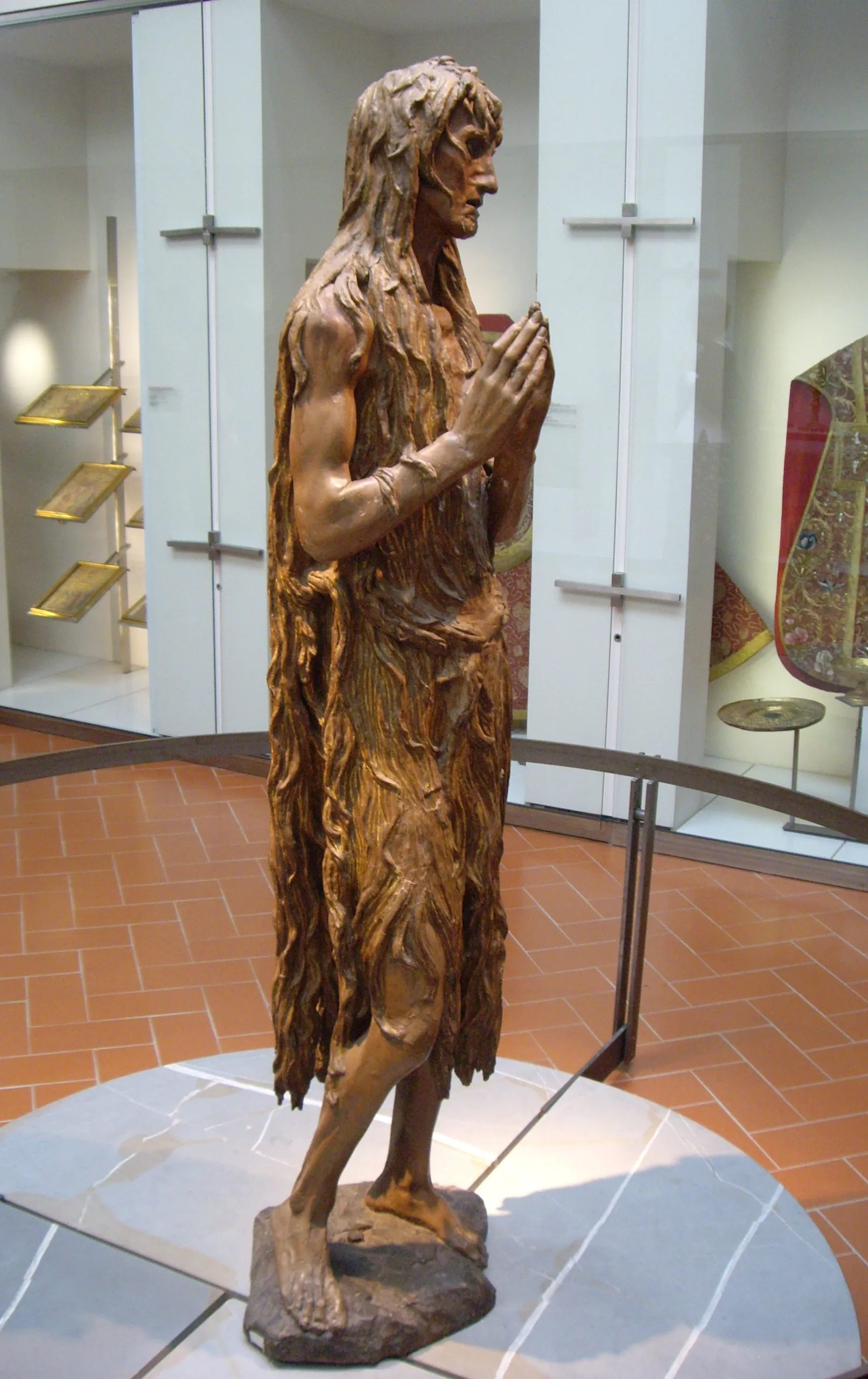
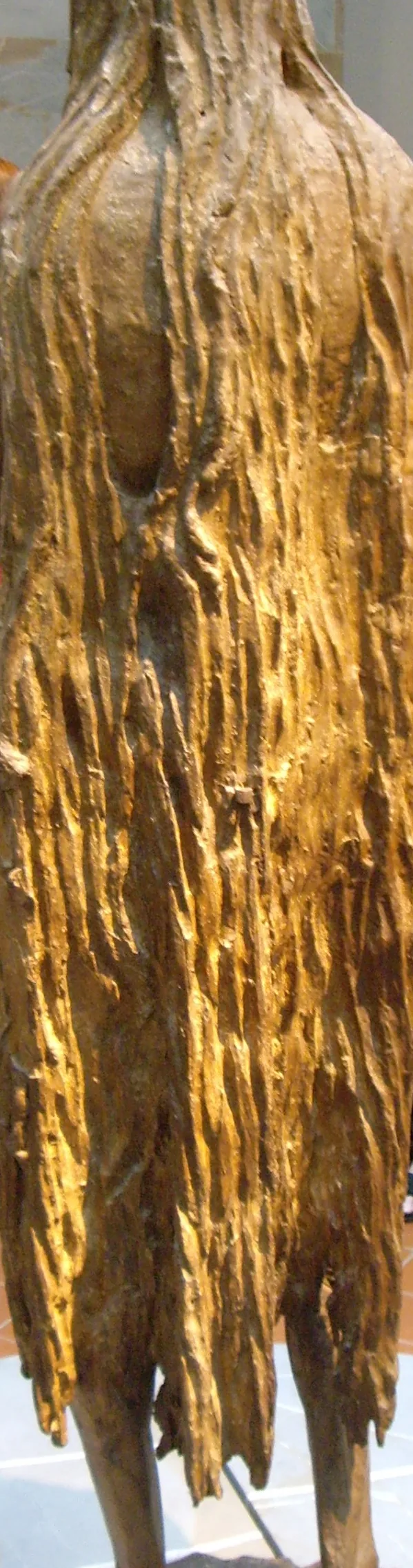
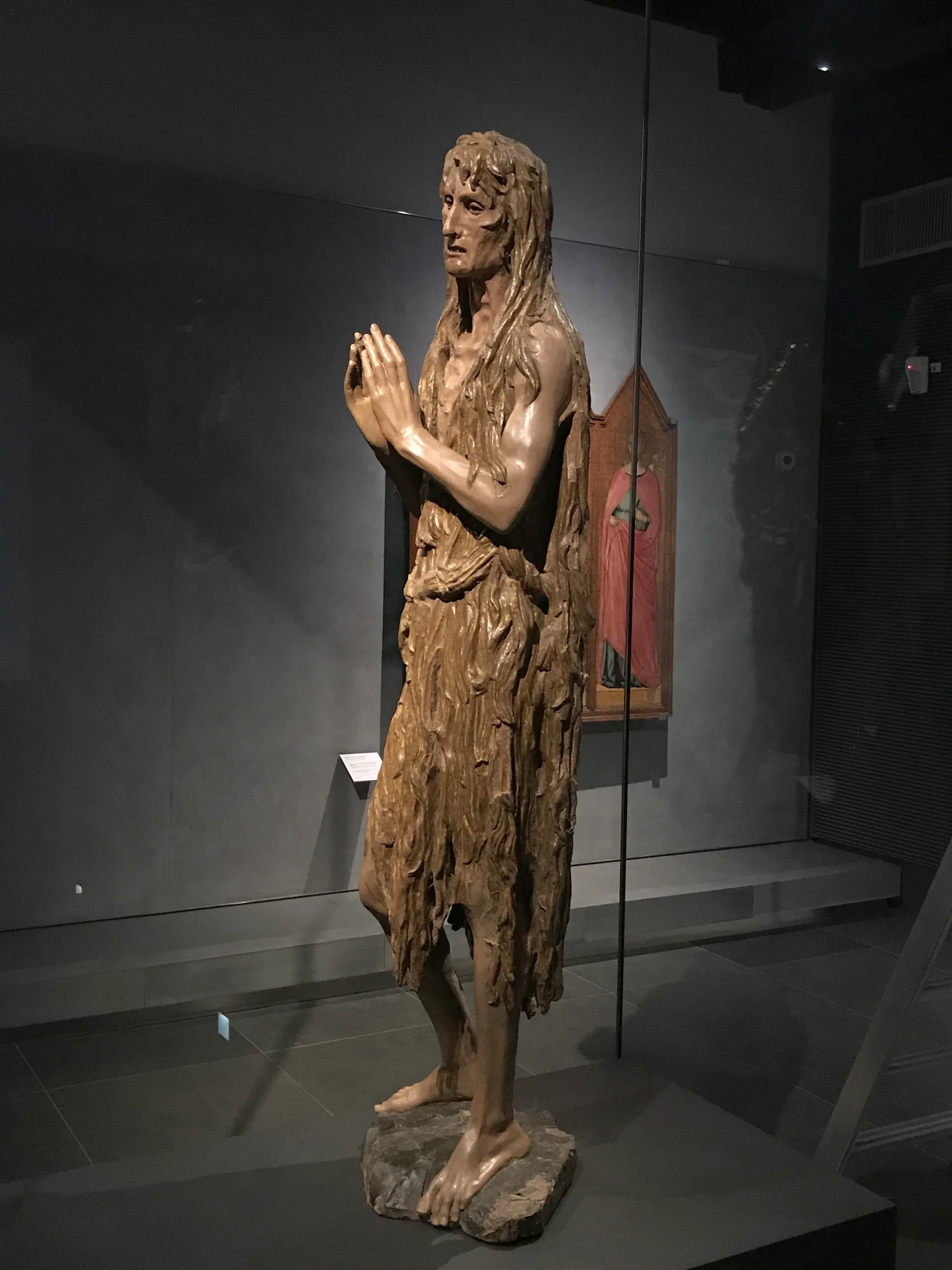
Late Donatello, cut in wood rather than marble or bronze, gilded, and unlike anything else he made. The 1966 flood damaged it and the cleaning that followed brought the gold back.
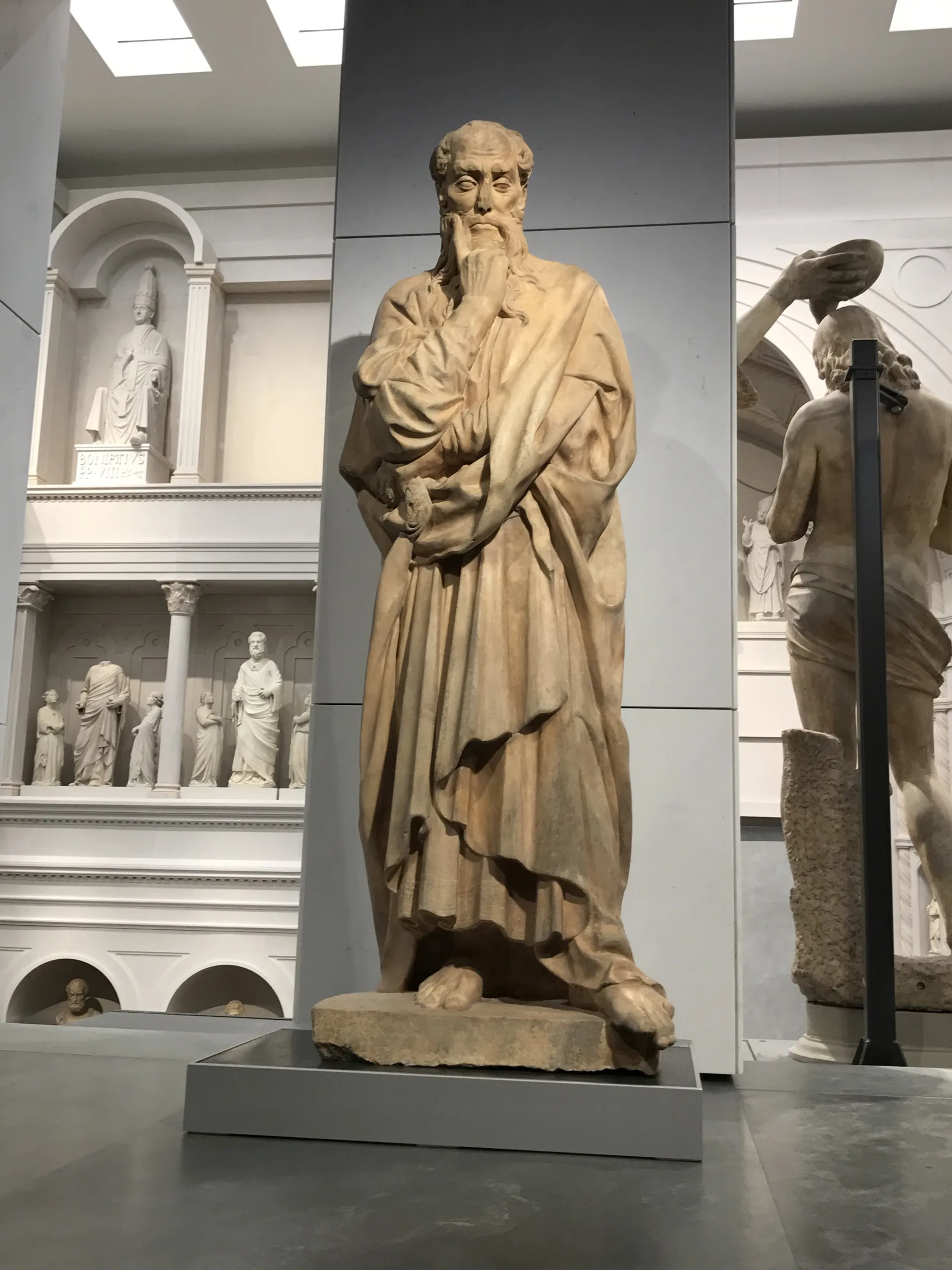
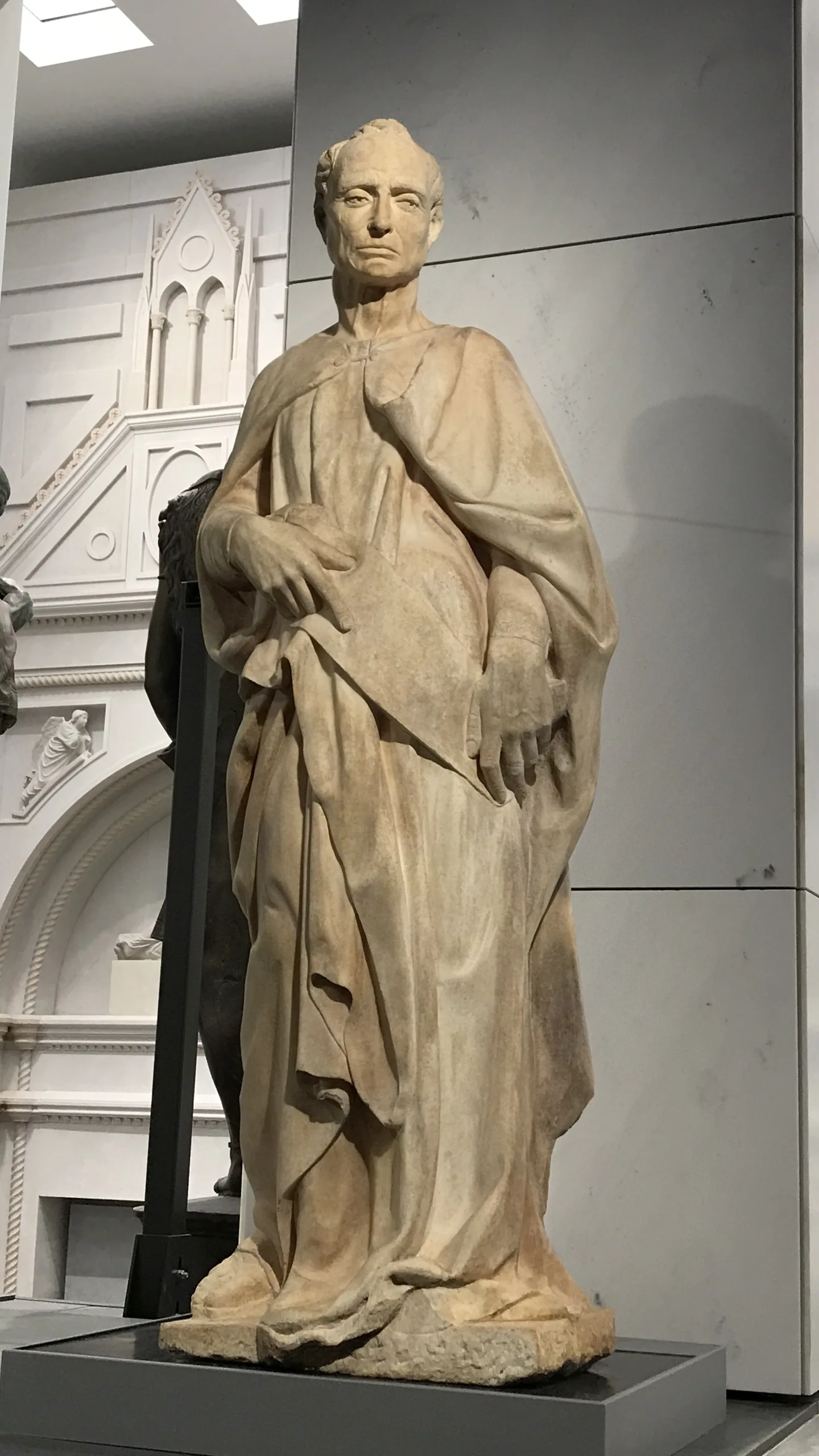
The Prophets from the Campanile
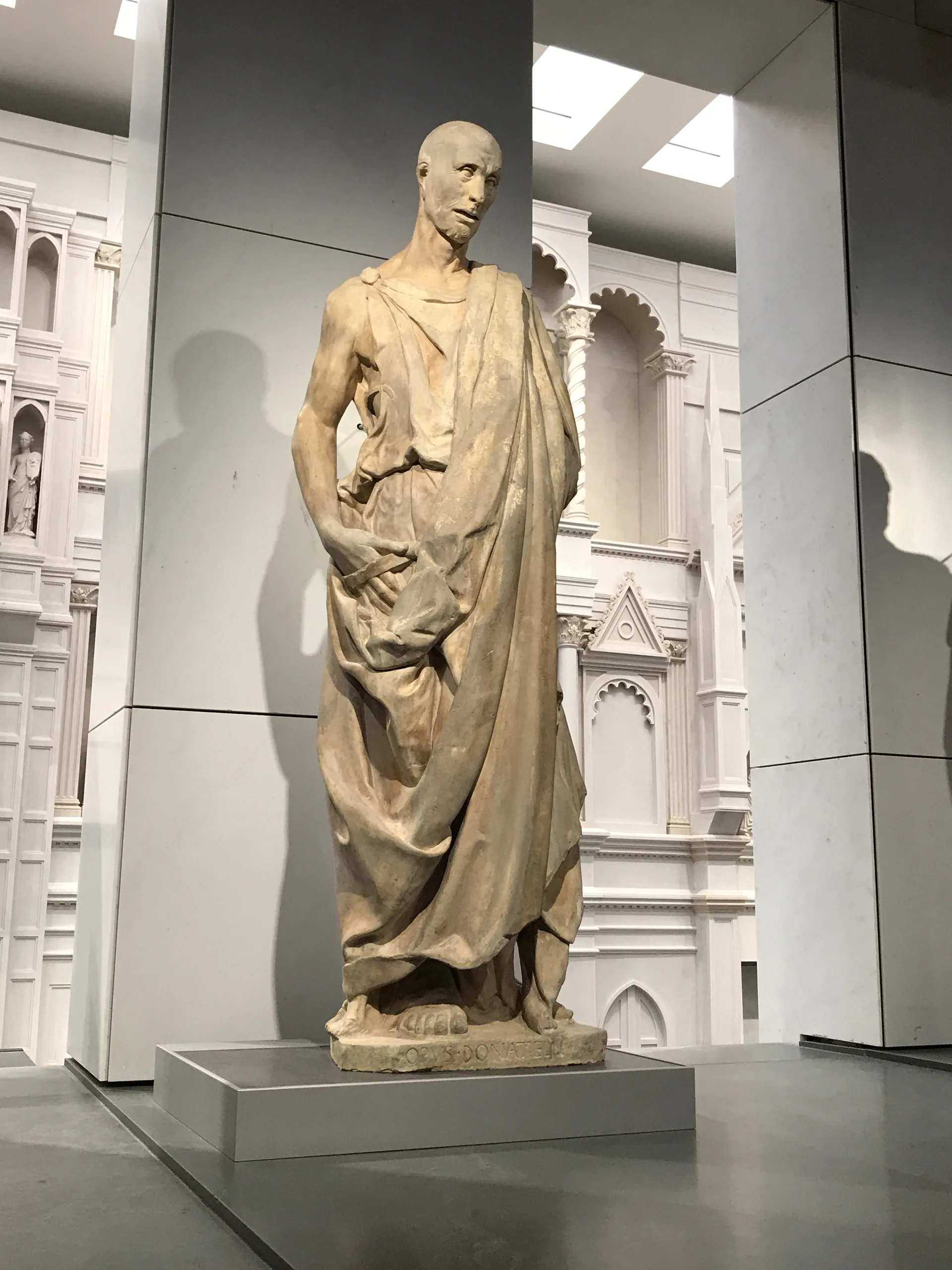
The niches on Giotto's campanile hold copies. These are the marbles that came out of them, carved to be read from far below and now standing at floor level a metre away.
Models, Tackle and Tools
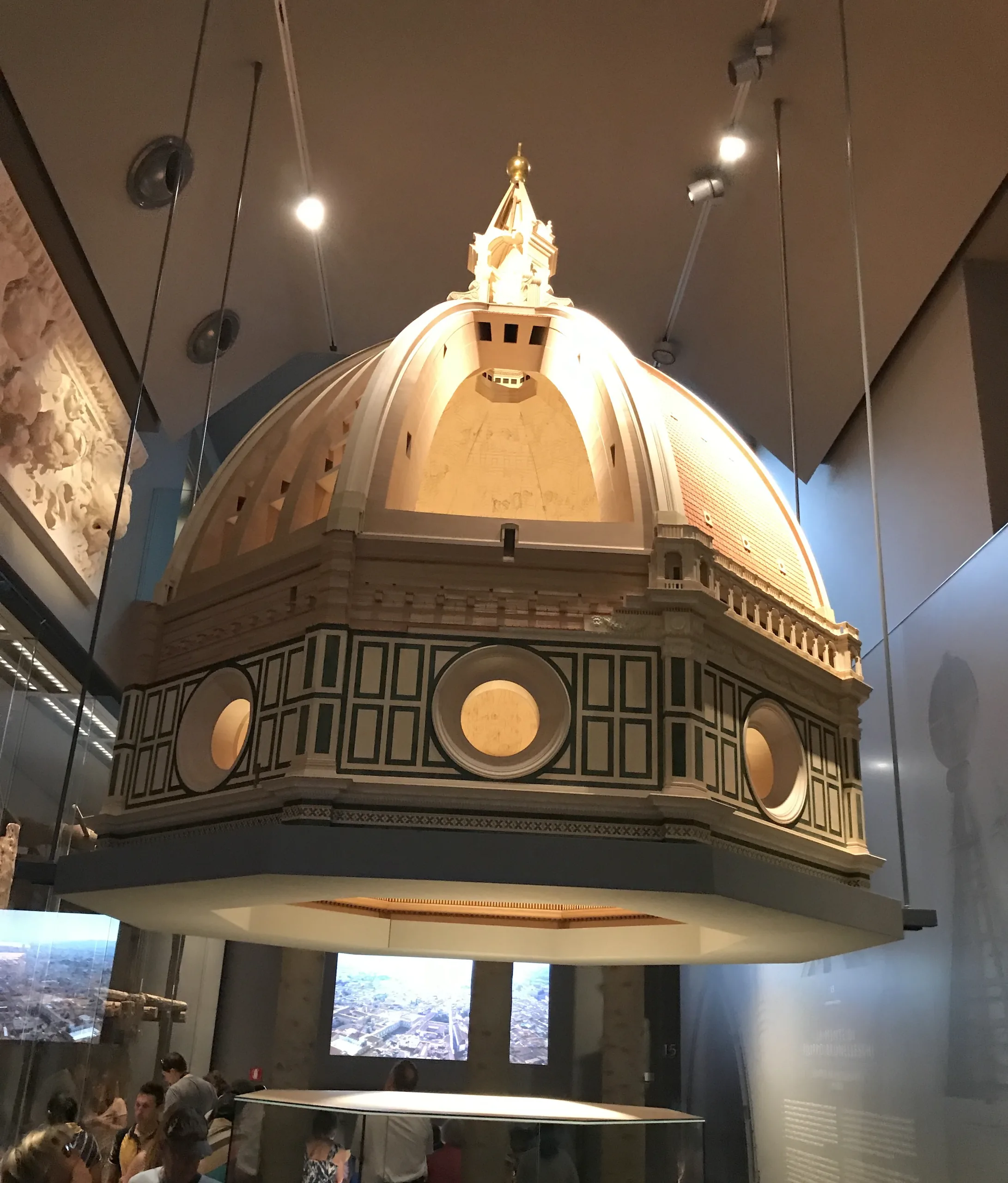
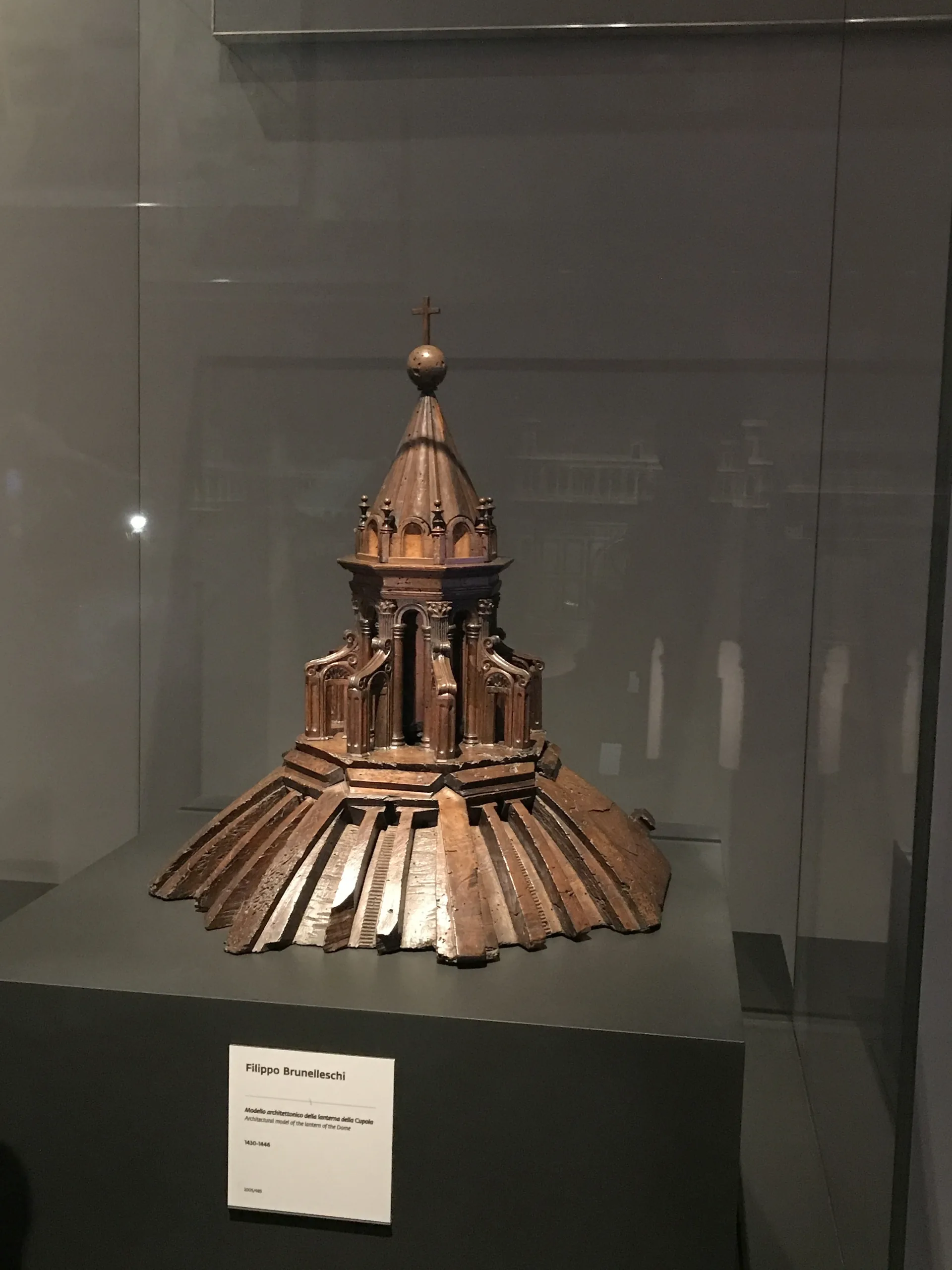
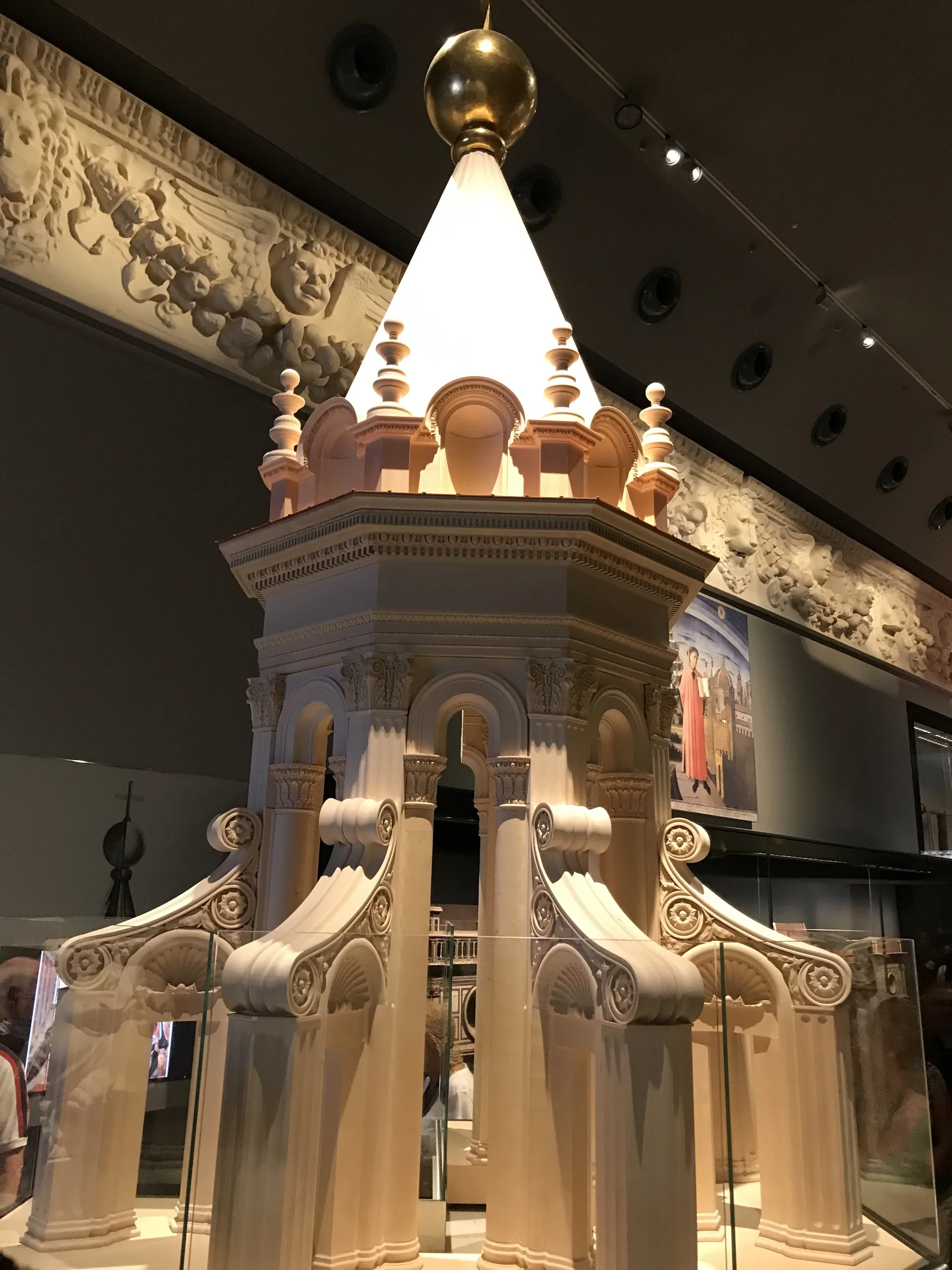
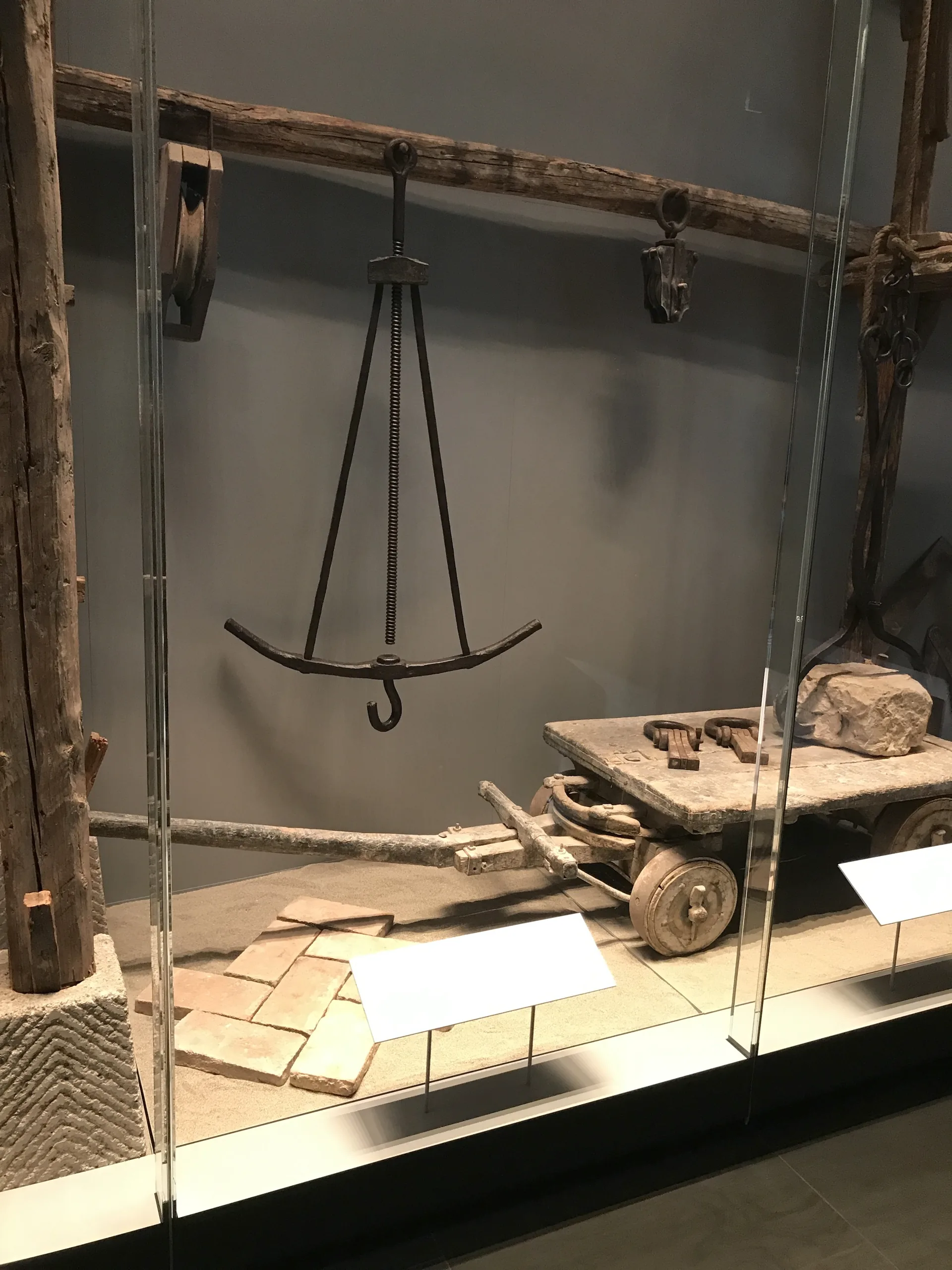
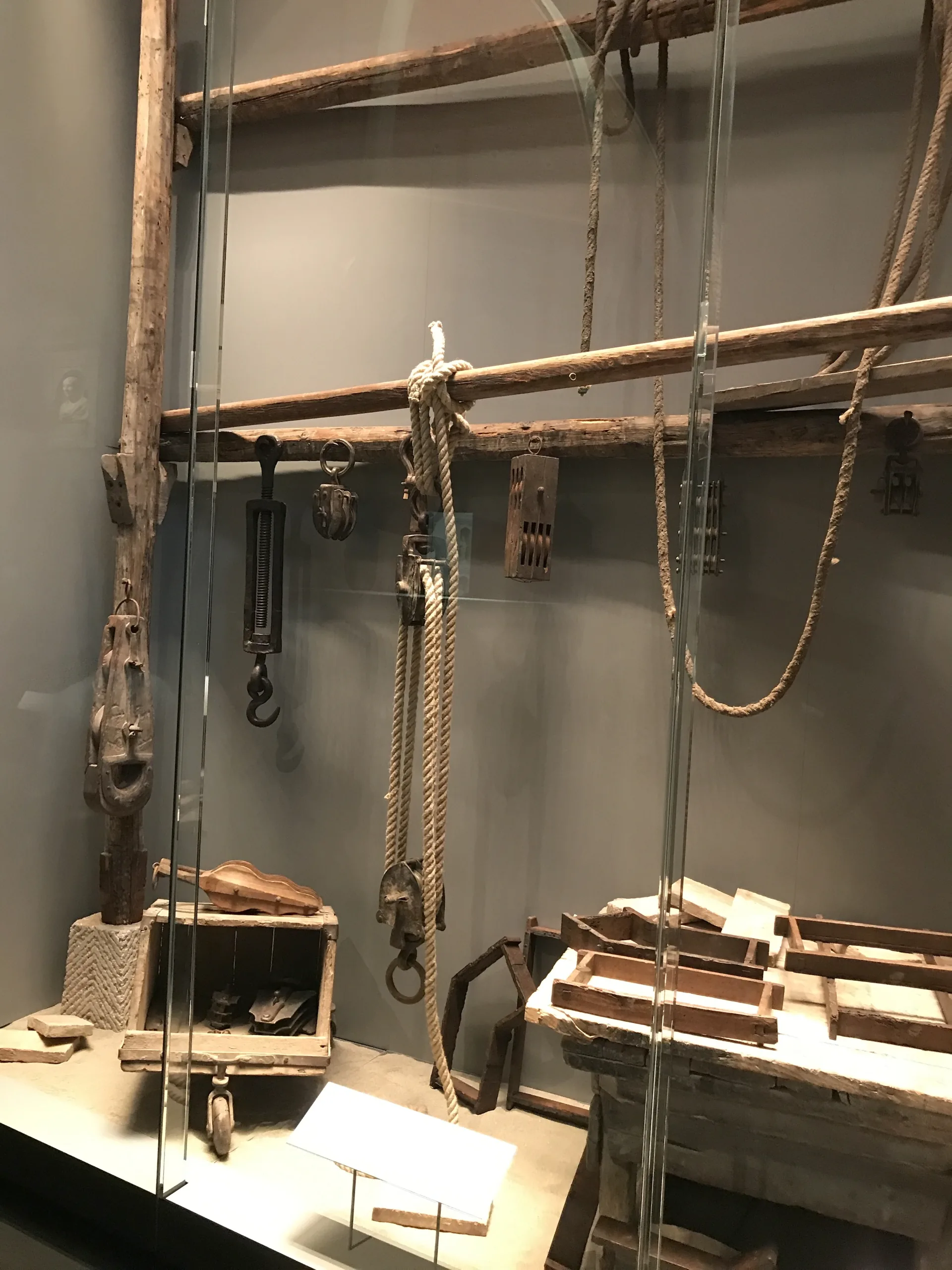
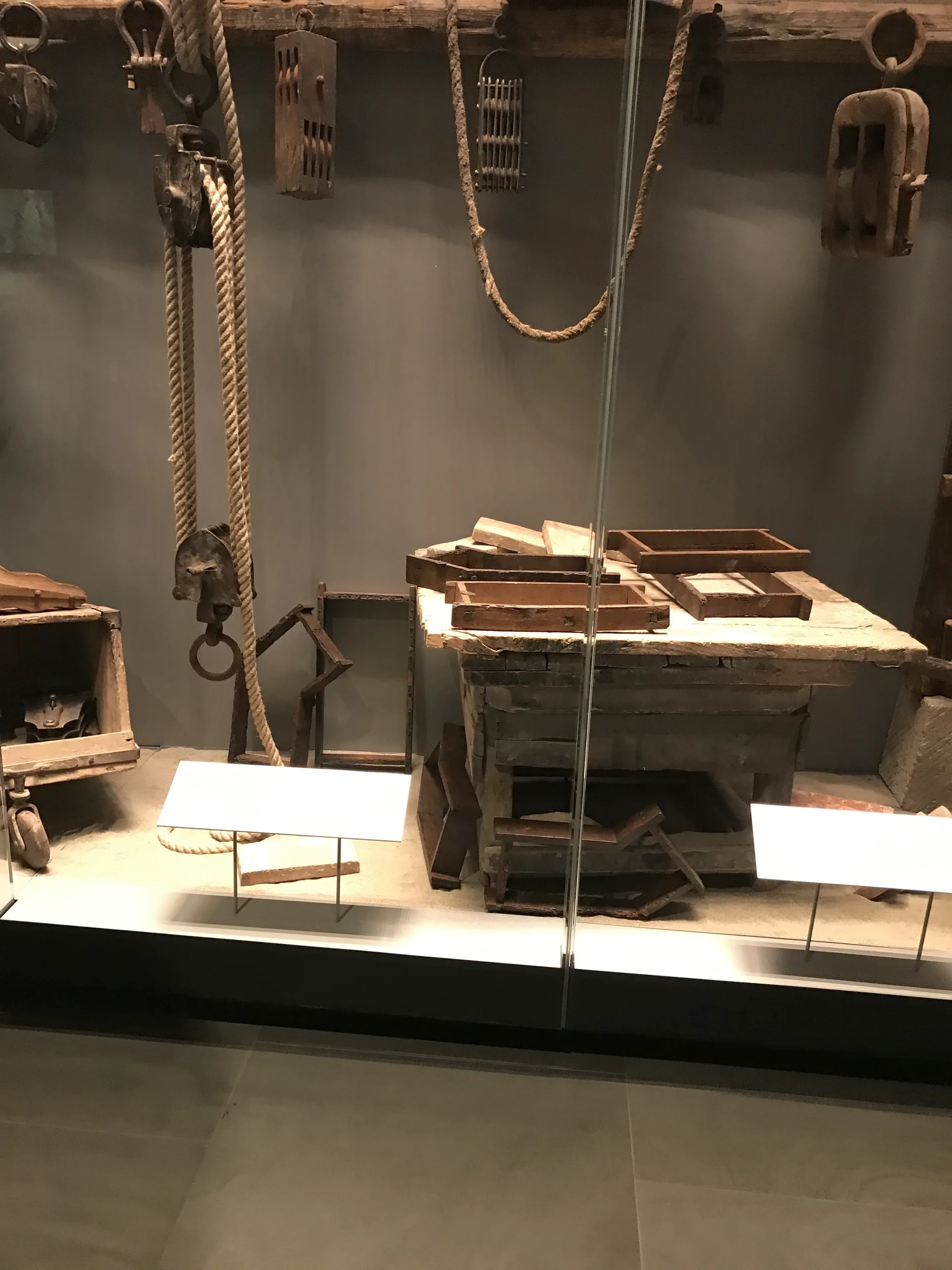
The rooms nobody expects: wooden models of the dome and its lantern, and the hoisting gear, chains, blocks and stone carts from the building site itself.
Live Prices & Availability
🎫 Booking Tips
- The museum is on the same pass as the dome and the campanile. There is no separate queue worth planning around.
- Complex passes run on a clock from first use. Fit the museum into the same window rather than coming back.
- Last entry is well before closing. Do not leave it to the end of the afternoon.
⏰ Best Times to Visit
- Most people do the dome first and go straight to lunch. Come here instead and the rooms are close to empty.
- Late afternoon is the quietest hour. The Magdalene room in particular is often yours alone.
- This is the complex's wet weather answer. All of it is indoors and none of it involves stairs.
🎨 Seeing It Well
- Start at the rebuilt facade wall. Once you have seen where the statues stood, every room after it makes more sense.
- The Bandini Pieta is free standing. Walk all the way round it. The hooded head only reads from one side.
- The two cantorie face each other across the room on purpose. Stand between them and compare.
Frequently Asked Questions
Continue Your Italian Journey
Explore more destinations in our Italian travel network
More journeys: 🌺 rHawaii ✈️ rVacation 📷 rPhotography 🍽️ rDining
Some links on this site are affiliate links. If you book through them, we may earn a commission at no additional cost to you. We only recommend tours and stays we would book ourselves.